
Let’s be real—bloating happens to the best of us. Whether it’s after a heavy meal, a day of indulgence, or just out of the blue, that uncomfortable, swollen feeling can put a damper on your day.
The good news? Along with the warmer weather and longer days that spring is sure to bring comes a fresh lineup of seasonal produce that not only tastes amazing but also supports a happy, bloat-free belly.
Yep—April’s vibrant, nutrient-rich harvest is the perfect way to reset your digestion and feel lighter from the inside out. It’s loaded with natural foods that help reduce water retention, support digestion, and keep your gut happy.
The key to shopping for foods that make you feel less bloated lies in avoiding the usual suspects: salty snacks, ultra-processed foods, and anything loaded with artificial ingredients like gums and sweeteners. These can all cause water retention, puffiness, and inflammation—leaving you feeling less than your best, explains Jennifer Nicole Bianchini, MS, RD, IFNCP, RYT, Functional Dietitian, Mind-Body Wellness Expert & Founder at Body to Soul Health. Even some healthy foods, like beans, cruciferous veggies (looking at you, broccoli), and high-fiber grains, can trigger bloating if your gut is having a hard time breaking them down.
The key? Tune in to your body. “If something doesn’t sit right, don’t ignore it. Your body is great at giving you clues when something’s off,” Bianchini says. Because at the end of the day, your body knows best.
Whether you’re blending a gut-friendly smoothie, tossing a fresh spring salad, or grilling up some veggie sides, choosing the right ingredients can make a big difference in how you feel. To help you enjoy a lighter, less bloated spring and summer, we’ve rounded up the best in-season foods to add to your plate this April.
8 Non-Bloating Foods In Season for April
Zucchini
This hydrating, low-fiber veggie is super easy on the digestive system, making it less likely to cause gas or discomfort, according to Trista Best, MPH, RD, LD. “It’s packed with potassium—a key mineral that helps balance fluids in the body and can counteract bloating from salty meals,” she says. “Thanks to its high water content, zucchini also supports hydration and promotes gentle digestion.”
Cooking methods like steaming or sautéing make it even easier to digest, but Best also points out that you can enjoy it raw—think thin slices in salads or spiralized as “zoodles.” “Its mild flavor and versatility make it a great match for lean proteins and gut-friendly herbs like basil and parsley,” she adds.
Asparagus
When it comes to keeping bloat at bay, asparagus is a total game-changer. It’s a natural diuretic, meaning it helps flush out excess water and sodium from your body, explains Bianchini, so it makes it a great choice if you’re feeling bloated after a salty meal or just need a little extra support in the hydration department. Asparagus is also rich in prebiotics, which are basically food for the good bacteria in your gut. Keeping your gut bacteria balanced and well-fed is essential for smooth digestion and less bloating, she explains.
When it comes to preparing asparagus, roasting is always a win. “Toss it with a little olive oil, a squeeze of fresh lemon, and a pinch of salt for a simple, bloat-busting side dish—or, chop it up and add it to a vibrant spring salad for an extra dose of fiber and flavor,” she says.
Celery
As a water-rich, nutrient-dense veggie, celery naturally supports hydration and may even have a mild diuretic effect. This means it can help flush out excess water and sodium, potentially reducing puffiness and bloat. Plus, studies suggest that compounds like 3-n-butylphthalide (NBP) and apigenin in celery may help lower blood pressure, adding to its health benefits.
Jenna Volpe, RDN, LD, CLT, functional dietitian also points out that But that’s not all—celery contains antioxidants and anti-inflammatory compounds that can help combat inflammation-induced bloating. “Celery contains mannitol, a type of sugar alcohol and polyol (the “P” in FODMAP), which can be tricky for anyone with digestive sensitivities, especially those managing IBS or SIBO,” she says. “Mannitol can draw water into the intestines, which may lead to bloating or discomfort for some people.”
If you’re on a low FODMAP diet, it’s best to limit celery to small amounts—about 1/4 of a stalk at a time—until you know how your body responds. If you’re good with celery, try adding small diced pieces to chicken or egg salad for a crunchy, hydrating boost or toss a few slices into soup for extra texture.
Cucumbers
This crisp, refreshing veggie is made up of about 95 percent water, making them incredibly hydrating—which is key when you’re looking to beat that puffy, uncomfortable feeling. Plus, staying hydrated helps keep your digestive system moving smoothly, reducing the chances of bloating in the first place, according to Best. “They’re also packed with compounds like quercetin—a powerful antioxidant known for its anti-inflammatory properties,” she says. “Quercetin can help soothe digestive discomfort and reduce inflammation, which is especially helpful if your bloat is triggered by irritation or mild gut inflammation.”
Like celery, they have a mild diuretic effect and are super easy to incorporate in meals. Enjoy them raw in salads, infuse them into your water, or blend them into chilled soups like gazpacho. You can also pair cucumber slices with a protein-rich dip like hummus.
Carrots
As a low-FODMAP vegetable, carrots are less likely to ferment in your digestive system, which means they won’t cause the gas and discomfort that some other veggies can, explains Best. This makes them a great choice if you’re prone to bloating, especially if you’re following a low-FODMAP diet to manage digestive issues like IBS.
Carrots also contain soluble fiber, which is known for supporting gut health without causing irritation. Soluble fiber absorbs water and forms a gel-like consistency during digestion, helping to regulate bowel movements and prevent both constipation and diarrhea—two major contributors to bloating.
Roasting or steaming carrots not only brings out their natural sweetness but also makes them even gentler on your digestive system. Blending them into creamy soups can also help reduce any potential for discomfort. If you prefer a little crunch, raw carrot sticks are a refreshing, low-bloat snack—just pair them with a protein-packed dip like Greek yogurt or hummus.
Strawberries
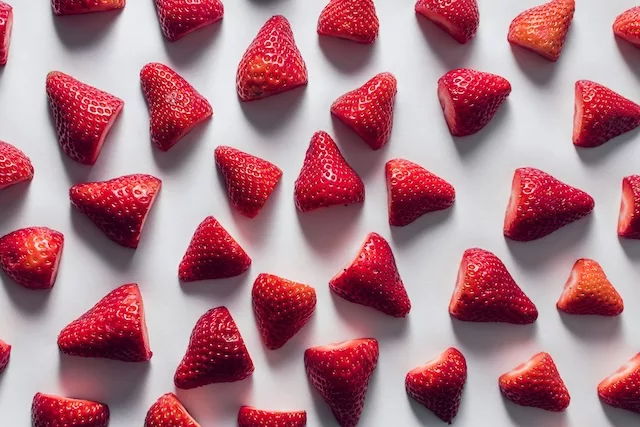
Another low-FODMAP, low-sucrose option, strawberries are generally well-tolerated even for those with sensitive digestion. Plus, they’re a natural prebiotic, helping to boost gut diversity by supporting the growth of short-chain fatty acid-producing probiotic microbes, explains Volpe.
Fresh strawberries are super versatile—sprinkle them on cereal, oatmeal or yogurt parfaits for a burst of flavor, or blend them into smoothies for a quick fiber-packed boost. If you’re managing oxalates or at risk for kidney stones, pair strawberries with a calcium-rich food like yogurt or milk. This combo helps reduce oxalate absorption, minimizing the risk of stone formation, according to Volpe.
Kiwi
This vibrant, fiber-rich fruit is packed with vitamin C and is generally well-tolerated even for those with IBS, SIBO, or CSID, thanks to its low FODMAP and low-sucrose profile, according to Volpe. Plus, the prebiotic fibers in kiwi can support gut health by feeding beneficial microbes like Lactobacilli and Bifidobacterium—key players in reducing bloat.
Research shows that eating just two kiwis per day for four weeks can significantly improve bowel regularity—sometimes even better than psyllium! “The fruit’s fiber helps retain fluid, while the enzyme actinidin aids in protein digestion,” says Volpe. “Since constipation can often trigger bloating, adding kiwi to your diet may help you feel lighter and more comfortable.” Enjoy it sliced as a breakfast side, on its own as a snack, or blended into a smoothie.
Spinach
When it comes to leafy greens that are easy on your digestive system, spinach is a top pick. “Naturally low in FODMAPs (in servings up to about 1.5 to 2 cups), spinach is less likely to ferment in the small intestine compared to higher-FODMAP veggies,” says Volpe. “This makes it a great choice for those with IBS or sensitive digestion—plus, spinach is low in sucrose, which is helpful for anyone with sucrose intolerance from CSID.”
Spinach is also fiber-rich and prebiotic, meaning it helps feed the good bacteria in your gut, promoting healthy regularity and a balanced microbiome. Since constipation can be a major trigger for bloating, incorporating fiber-rich foods like spinach can make a real difference in how you feel.
If raw spinach doesn’t sit well with you, try cooking it. Sautéing or steaming spinach can make it even easier to digest while still delivering all the nutritional benefits, notes Volpe. Plus, it’s super versatile—toss it into eggs, omelets, pasta, or stir-fry dishes for a quick nutrient boost.
Papaya
This tropical powerhouse contains an enzyme called papain, according to Best, known for aiding protein digestion and preventing the bloating that can come from slow digestion. “Essentially, papain helps break down proteins more efficiently, keeping your stomach feeling light and comfortable,” she says.
Papaya is also packed with water and fiber, which work together to support regular bowel movements. This combo helps reduce constipation-related bloating, making papaya a great choice when your digestive system needs a little extra love. Plus, it’s naturally hydrating, which is always a win for overall gut health.
Best recommends enjoying it fresh, blending it into a smoothie, or pairing it with a squeeze of lime.