
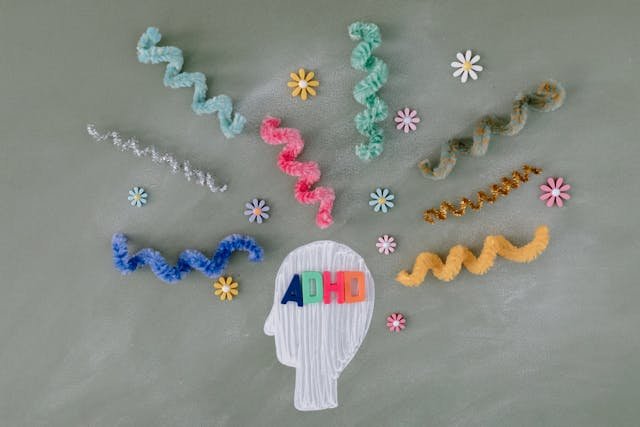
ADHD is frequently associated with children, but studies reveal that its symptoms persist into adulthood in a substantial proportion of cases. Adult ADHD can interfere with work performance, relationships, and overall wellbeing. Despite its prevalence, many adults remain undiagnosed due to the misconception that ADHD is primarily a childhood disorder. This lack of diagnosis leads to untreated symptoms that can contribute to anxiety, depression, and difficulties in daily functioning.
This article seeks to bridge this gap in understanding by shedding light on adult ADHD and provide strategies for adults living with ADHD. It provides readers with a thorough overview of the condition, discusses practical strategies to enhance daily functioning, and explores the latest advancements in treatment options. By offering actionable advice and evidence-based insights, this guide aims to empower individuals to manage ADHD and improve their quality of life.
Statistics Of ADHD In Adults
Understanding the scope of adult ADHD requires a look at the numbers:
- Prevalence Rates: Research indicates that approximately 4.4% of U.S. adults have a current diagnosis of ADHD. The lifetime prevalence among adults is estimated at 8.1%. These statistics highlight that ADHD is not merely a childhood condition but a lifelong challenge for many individuals.
- Gender Disparities: Men are more commonly diagnosed with ADHD than women, with prevalence rates of 5.4% and 3.2%, respectively. This discrepancy may be due to differences in how symptoms manifest or are perceived across genders.
- Ethnic and Racial Differences: Non-Hispanic white adults report higher rates of ADHD diagnosis compared to other racial or ethnic groups. This finding underscores the need for equitable access to diagnostic tools and resources across diverse populations.
These statistics emphasize the widespread nature of ADHD in adults and the importance of targeted interventions to address this often-overlooked condition.
As Dr. Alexander Sidawi from Analyze Psych notes, “By understanding the prevalence and disparities in ADHD diagnosis, we can better advocate for inclusive, accessible care tailored to individual needs.” For more insights on adult ADHD and effective treatments, visit his website at Analyze Psychiatry.
Typical Symptoms In Adults
The symptoms of ADHD in adults are categorized into three main areas: inattention, hyperactivity, and impulsivity. While these symptoms are similar to those seen in children, they manifest differently in adults.
Inattention
Adults with inattention often struggle with:
- Task Completion: Starting tasks but leaving them unfinished.
- Focus: Difficulty maintaining concentration on work, especially if the task is repetitive or lacks immediate rewards.
- Organization: Challenges in managing schedules, keeping track of deadlines, and prioritizing responsibilities.
Hyperactivity
Hyperactivity in adults may be less overt than in children but can include:
- Restlessness: Feeling a constant need to move or fidget.
- Overcommitment: Taking on too many responsibilities due to an inability to slow down.
- Difficulty Relaxing: Feeling uneasy during downtime or activities meant for relaxation.
Impulsivity
Impulsivity can lead to:
- Interruptions: Frequently speaking out of turn or interrupting conversations.
- Hasty Decisions: Making choices without fully considering consequences, which can impact relationships and finances.
- Emotional Reactivity: Experiencing sudden mood swings or difficulty regulating emotions in stressful situations.
Recognizing these symptoms is the first step toward seeking appropriate treatment and support for adults living with ADHD.
Living With ADHD: Strategies For Coping
Managing ADHD effectively involves implementing practical strategies to address daily challenges:
- Establish Structured Routines: Consistency helps mitigate the distractions that come with ADHD. Set specific times for work, meals, and relaxation to create a predictable schedule.
- Utilize Task Management Tools: Apps like Trello or Todoist can help organize tasks, set priorities, and track progress.
- Practice Mindfulness: Regular meditation or mindfulness exercises can improve focus and emotional regulation. These practices help individuals become more aware of their thoughts and reactions, reducing impulsive behaviors.
- Engage in Regular Exercise: Physical activity boosts dopamine levels, which can enhance focus and reduce symptoms of inattention and hyperactivity.
- Communicate Openly: Share struggles and needs with employers, family, and friends. Building a support network ensures understanding and accommodations when necessary.
These strategies, when combined with professional guidance, can significantly improve daily functioning and quality of life for adults living with ADHD.
Treatments For ADHD
A variety of treatment options exist for managing ADHD. These include pharmacological and non-pharmacological options. A multimodal approach often yields the best results, combining medication with therapy and lifestyle adjustments(adhd).
Pharmacological Treatments
- Stimulants: Medications like methylphenidate (e.g., Ritalin) and amphetamines (e.g., Adderall) are commonly prescribed for ADHD. These drugs increase dopamine levels in the brain, improving focus and reducing impulsivity. However, potential side effects include appetite loss, insomnia, and anxiety.
- Non-Stimulants: Alternatives such as atomoxetine (Strattera) and certain antidepressants provide relief for those who cannot tolerate stimulants. While these medications have fewer risks of dependency, their effects may take longer to become noticeable.
Non-Pharmacological Treatments
- Cognitive-Behavioral Therapy (CBT): CBT helps individuals develop skills to manage symptoms, such as improved organization and emotional regulation.
- Mindfulness-Based Therapy: Mindfulness practices complement CBT by enhancing attention and reducing stress.
- Psychoeducation: Educating individuals about ADHD fosters better self-awareness and equips them with tools to handle challenges effectively.
| Overview Treatment Type | Benefits | Limitations |
| Stimulants | Rapid symptom relief | Dependency risks |
| Non-Stimulants | Suitable for individuals avoiding stimulants | Slower onset of action |
| CBT | Teaches essential coping skills | Requires commitment and effort |
Conclusion
ADHD in adults presents a unique set of challenges, often affecting work, relationships, and overall mental health. However, with increased awareness, practical strategies, and effective treatments, individuals can lead fulfilling lives. From establishing structured routines to exploring advanced neuro-stimulation techniques, a range of options exists to manage symptoms and enhance well-being.
Continued research and societal understanding are essential to ensure that adults with ADHD receive the support and resources they need. By addressing this condition holistically, individuals can unlock their potential and thrive in all aspects of life.