
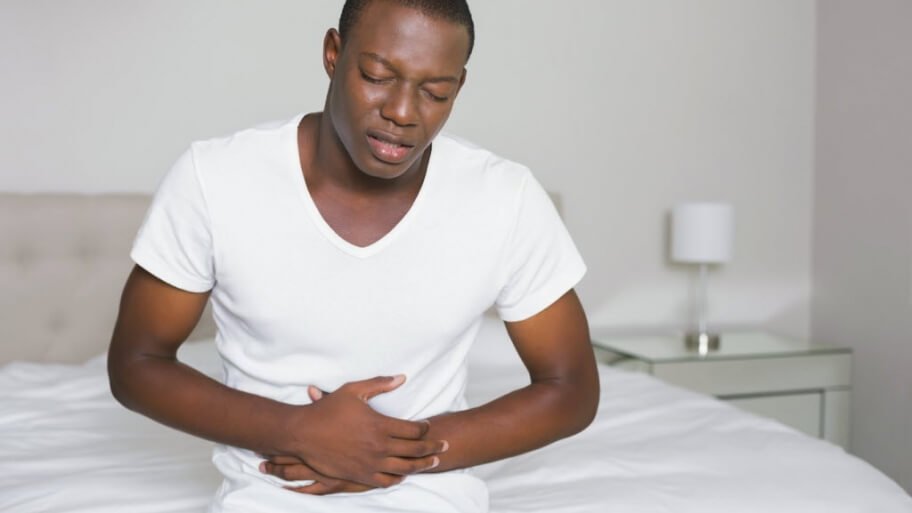
‘Nervous poos’ or ‘anxiety poops’ are more common than you might think. If you find you’re pooping more when you’re stressed or anxious, don’t worry you aren’t alone!
You might find yourself running to the toilet before a big presentation, an interview, or before an important day at school. If you struggle with anxiety, you might find that on days when your anxiety is high, you’re using the bathroom more often.
It’s not just in your head: stress and anxiety can actually affect your bowel movements. We’ll take a look at why this happens, and what you can do about it.
Why Do Stress and Anxiety Make You Poop?

Gut-Brain Axis
Your brain and digestive system are closely linked and can influence one another. Your emotions can have a big impact on your gut.
This can sound a bit far-fetched, but if you really think about it, there are lots of examples. You know when you feel nervous or excited and you get ‘butterflies in your stomach’? Or if you’re feeling angry or upset and don’t feel like eating? These are all examples of this strong connection between your emotions and your digestive system.
This connection is called the “gut microbiota-brain axis” or simply the “gut-brain axis”. Research shows that when we’re stressed or anxious, the hormones our body releases can disrupt the gut microbiota in our digestive tract. This affects the movement through our digestive tract, which can make us poop more!
Interestingly, evidence shows that this connection is bidirectional, meaning the health of our gut can also influence our brain function and mood.
Pain Messages
Some research suggests that anxiety may change how our brain interprets messages from the visceral nerves, which are nerves in our stomach and intestines. Scientists believe the brain may ‘think’ that the stomach and intestines are sending pain messages or indicating that movement needs to be sped up. This can result in diarrhea when we feel anxious.
Fight or Flight Response

You’ll likely have heard of the ‘fight or flight’ response: it’s how our body responds when it faces a ‘threat’ of any kind. Our nervous system gets us ready for action by increasing our heart and breathing rate. Resources are redirected to areas of the body that will be needed for action, and away from those that won’t (such as your digestive system).
This results in movements in the stomach and small intestine being slowed down, while movement in the large intestine is sped up. Unfortunately, this typically leads to diarrhea.
The flight or flight response is helpful and keeps us safe when we face a threat, but when it’s activated for a prolonged period due to stress or anxiety, it can take its toll on the body.
Changes in Sleep
Often when we’re stressed or anxious, we make lifestyle changes that can indirectly affect our digestive system. For example, if you have an important test or interview the next day, you might stay up late practicing or you might find that you are unable to sleep restfully due to nerves.
Lack of sleep can increase stress levels and the stress response in the body, which can contribute to digestive issues.
Some research shows a link between sleep quality and digestive health, with one study finding that: “poor sleep is associated with increased odds for multiple upper and lower GI symptoms”. This includes more frequent bowel movements, diarrhea, and constipation.
Changes in Diet
If you’re nervous you might eat more or less than you usually do, which understandably can affect your digestive system. You might also make different food choices, for example reaching for less healthy foods because they feel comforting or because they’re quick to grab.
If you do this, you aren’t alone and it’s nothing to be ashamed of. However, these dietary changes can upset your digestive system and contribute to changes in bowel movements.
What You Can Do About It

Now that we know what causes ‘nervous poops’, you might be wondering what you can do about it! Don’t worry, there are ways you can tackle the problem by improving your gut health and reducing stress levels. The tips below are a great place to start.
Alter Your Diet
Changing what you eat and drink, especially before an event that might make you feel anxious or stressed, can help you to settle your stomach. Try to avoid alcohol, tobacco, and caffeine as these can upset your stomach and may play a part in increasing anxiety.
Avoid excessively spicy, rich, or fatty foods before an important event. They’re heavy on your stomach and irritate your digestive system. If possible stick to balanced, healthy meals, especially you’re facing times of stress.
You might notice specific dietary triggers that irritate your stomach. If you do, you can start making a note of them to see if they consistently have this effect, then you can avoid these triggers to improve your digestive health.
Improve Your Sleep
Since sleep can have such a pivotal influence on your stress levels, you can tackle stress by working on improving your sleep. Actively make sleep a priority, even more so when you know you have a stressful event coming up.
Sleep hygiene, which simply means positive habits to improve your sleep quality, can be helpful. This includes making time to wind down before bed; watching what you eat and drink close to bedtime and making your bedroom a relaxing place.
Sleeping when you’re stressed can be difficult, but it is possible. Here are some more tips to guide you.
Mindfulness

Mindfulness is an excellent way to reduce stress and anxiety, helping you to regulate your emotions and feel calmer. Mindfulness practices are about being present in the moment without worry or judgment.
Practicing mindfulness regularly has a whole range of wonderful benefits, including:
You can check out more about the benefits of mindfulness in our detailed article.
Impressively, research shows that mindfulness has the power to reduce the fight or flight response, actively reducing the impact of stress.
There are lots of types of mindfulness you can try, for example, meditation, guided visualization, breathing exercises, mindful movement (like yoga and tai chi), and even eating mindfully!
Yes, that’s right, you can engage in mindfulness while you’re preparing food and eating it. It can even improve your relationship with food and promote better digestion. Check out our guide on mindful eating if you want to learn more.
Exercise
Exercise is a fantastic way to tackle stress and anxiety, as well as helping to regulate your digestive system. Of course, it also has a wide range of other health benefits too!
Research shows that when we exercise, stress hormones are reduced, and ‘feel good’ hormones called endorphins are increased. This helps us to feel calmer and promotes a sense of well-being.
Exercise also helps us to deal with the fight or flight response, and in turn, protects our digestive system from the harmful effects of stress.
Stay Hydrated

Studies show that if you’re dehydrated, it can increase the body’s stress response, including levels of the stress hormone cortisol. Thankfully that means that staying hydrated is a simple but effective way to reduce stress levels in your body and keep yourself healthy.
If you have diarrhea, it’s really important that you keep yourself hydrated as you’re losing more fluid than normal. So, keep drinking that water!
Over the Counter Medication
There are over-the-counter medications that can help you to tackle diarrhea and constipation at home. They can also help with other symptoms of digestive upset, such as bloating and cramping.
Always follow the label carefully so you know how to take the medication safely. It’s always best to check with your doctor before taking over-the-counter medicine, especially if you have other health conditions or take prescription medication.
Deal With Stressors Head-On
If you can identify specific stressors in your life then dealing with them head-on can help you to tackle the problem and reduce stress in your life. For example, if you have a problem at work you might be able to talk to your colleagues or manager, or if you have an issue with a friend or partner, open communication may be able to resolve things.
Although it’s natural to avoid difficult situations, this only leaves your emotions bottled up and increases stress over time. Even if it makes you a bit nervous, facing things and making proactive changes can be beneficial!
Check out our article on how to live a stress-free life for more tips on how to reduce stress.
When to Seek Help

When health problems get too much, it’s time to reach out for professional help so you can get things back on track. Let’s take a look at when you should seek help.
Getting Help for Anxiety and Stress
If your stress or anxiety is lasting for long periods, for example, months at a time, and you find that it’s disrupting your life and making it hard to function, then it’s time to ask for help.
You can start by going to your doctor, and they may refer you to services that can help if needed. You may be able to try medications to help you cope, and therapy to give you the tools you need to deal with your emotions.
When to Seek Help for Digestive Problems
If you experience any of the following, it’s best to get checked by your doctor to make sure your digestive issues aren’t anything more serious:
Ongoing, additional symptoms of illness such as vomiting, feeling dizzy, and severe fatigue
If you feel as though something isn’t right, it’s always best to get checked by a professional. You know your body best!
No More Anxious Poops!
By reducing stress in your life and improving your digestive health, you can reduce anxious poops or even stop them all together! Try out some of these tips next time you’re struggling and see if they make a difference.
1. Rachel Nall, MSN, CRNA, (2020), “Can anxiety cause diarrhea?” Medical News Today.
2. Jane A.Foster, Linda Rinaman, John F.Cryan, (2017), “Stress & the gut-brain axis: Regulation by the microbiome”. Neurobiology of Stress, Volume 7, December 2017, Pages 124-136.
3. Division of Sleep Medicine at Harvard Medical School, (2008), “Sleep and Mood”.
4. Cremonini, F., Camilleri, M., Zinsmeister, A. R., Herrick, L. M., Beebe, T., & Talley, N. J. (2009). “Sleep disturbances are linked to both upper and lower gastrointestinal symptoms in the general population.” Neurogastroenterology and motility : the official journal of the European Gastrointestinal Motility Society, 21(2), 128–135.
5. Tom Ireland, (2014), “What Does Mindfulness Meditation Do to Your Brain?” Scientific American.
6. Mayo Clinic, (2020), “Exercise and stress: Get moving to manage stress”.
7. Gina Shaw, (2009), “Water and Stress Reduction: Sipping Stress Away”. WebMD.