

Did you know that there are different types of fiber? Fiber is an important part of a balanced diet, however, not all fiber is the same. Soluble and insoluble fiber are two types of fiber that can play a role in supporting your gut health, digestion, and overall health. Understanding the difference between these two fibers can help you make more informed dietary choices that ultimately lead to eating a healthier diet.
This article breaks down what soluble and insoluble fiber are, their key differences, and recipes to help you boost your fiber intake.
What is Soluble Fiber?
Soluble fiber is a type of dietary fiber that dissolves in water, forming a gel-like substance in your digestive system. Because it’s gel-like, soluble fiber is able to move slowly through the digestive tract. This mechanism offers several health benefits.
Soluble fiber can help regulate how well the body absorbs sugar from food, which in turn can help prevent major post-meal glucose spikes. It can also promote satiety, healthy cholesterol levels, and regularity.
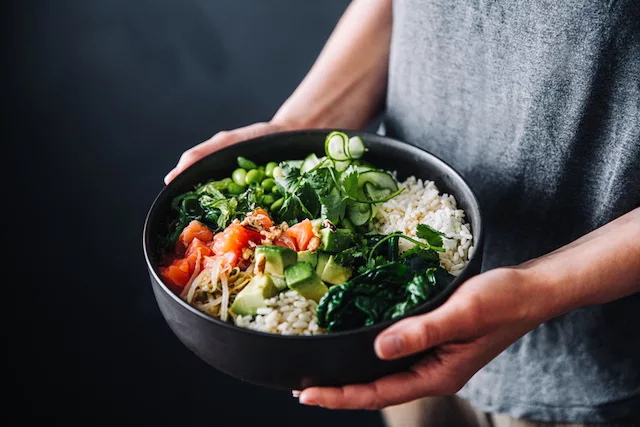
Many common foods offer soluble fiber, including:
- Apples
- Avocado
- Barley
- Beans and legumes
- Broccoli
- Chia seeds
- Citrus fruits
- Figs
- Nuts & seeds
- Pears
- Sweet potatoes
- Turnips
What is Insoluble Fiber?
Unlike soluble fiber, insoluble fiber doesn’t dissolve in water or form a gel. Insoluble fiber is coarse in texture and remains intact as it moves through the digestive system. Its rough texture helps add bulk to stools, allowing for easier passage through the digestive tract. This action supports regularity, healthy waste elimination, and overall digestive health.
Many foods provide insoluble fiber, such as:
- Apple (especially the peel)
- Broccoli
- Brown rice
- Carrots
- Leafy greens
- Legumes
- Nuts and seeds: Almonds, walnuts, and sunflower seeds
- Quinoa
- Whole wheat bread
Incorporating these foods into your meals helps maintain optimal digestion and ensures your regularity stays on track.
Soluble Fiber vs Insoluble Fiber? Which is Best?
Many people wonder if they should prioritize soluble fiber versus insoluble fiber. The answer is, both – soluble and insoluble fibers work in complementary ways to support your health. As mentioned earlier, soluble fiber dissolves in water to form a gel that helps regulate blood sugar, cravings, and even cholesterol levels. On the other hand, insoluble fiber adds bulk to stool, promoting digestive health via regularity.
Most adults should aim to consume between 25 and 30 grams of fiber daily. Instead of stressing over the types of fiber, aim to include a variety of fiber-rich foods in your daily diet, like fruits, vegetables, whole grains, nuts, seeds, and legumes. Simple swaps like choosing whole grains over refined options, incorporating beans and legumes into meals, or adding fruits and veggies to every plate can make a big difference.
3 High Fiber Recipes
Adding fiber to your weekly menu is easier than you think, especially with versatile, high-fiber recipes. Below are three high fiber recipes to add to your meal rotation.
Pumpkin Lentil Soup
Pumpkin Lentil Soup is one of the easiest dinners that packs a fiber punch. The best part? It’s a one-pot recipe that is ready in just under 30 minutes.
Here’s why we love it:
- Red lentils are packed with fiber, which aids digestion and helps maintain steady blood sugar levels.
- Pumpkin puree not only adds a creamy texture but also contributes fiber to support gut health and promote satiety.
You can find the full recipe here: https://www.humnutrition.com/blog/pumpkin-recipes/
Simple Quinoa Salad
A simple quinoa salad is a lunch-time staple that is fiber-rich and packed with a variety of fresh ingredients.
Here’s why we love it:
- Quinoa, a whole grain, provides both soluble and insoluble fiber to support digestive health and help maintain steady blood sugar levels.
- Fruits like avocado, blueberries, and cucumbers add additional fiber, vitamins, while the avocado contributes healthy fats and more fiber for fullness.
- Toppings like scallions, basil, and oregano, offer a flavor boost that makes this salad both enjoyable and healthy.
You can find the full recipe here: https://www.humnutrition.com/blog/summer-quinoa-salad-recipe/
Snickerdoodle Protein Baked Oatmeal
Simple swaps make it easy to add to your favorite dessert, just like these tasty snickerdoodle protein baked oatmeal bars.
Here’s why we love it:
- Rolled oats are an excellent source of soluble fiber, perfect for those who struggle with cravings.
- Ground flax and almond butter add more fiber while also providing healthy omega-3 fats.
- Provides a no-bloat protein boost from HUM’s Core Strength vanilla protein powder.
You can find the full recipe here: https://www.humnutrition.com/blog/snickerdoodle-healthy-baked-oatmeal-recipe/
Soluble vs. Insoluble Fiber FAQS
- What is soluble fiber? Soluble fiber dissolves in water to form a gel-like substance and helps regulate blood sugar levels and lower cholesterol. It’s found in foods like oats, beans, fruits, and vegetables.
- What is insoluble fiber? Insoluble fiber does not dissolve in water and helps add bulk to stool, promoting regular bowel movements. It is found in whole grains, nuts, seeds, and the skins of fruits and vegetables.
- What are the health benefits of soluble fiber? Soluble fiber can help lower cholesterol levels, improve blood sugar control, and promote feelings of fullness, aiding in weight management.
- What are the health benefits of insoluble fiber? Insoluble fiber aids in digestion by preventing constipation and supporting gut health, as well as contributing to a reduced risk of developing certain digestive disorders.
- How much fiber should I consume daily? The recommended daily intake of fiber is about 25 grams for women and 38 grams for men, but most people do not meet these recommendations. It’s important to include a variety of fiber sources in your diet to ensure a balance of soluble and insoluble fiber.
Conclusion on Soluble vs Insoluble Fiber
Whether you’re aiming for regularity, less cravings, or blood sugar balance, adding fiber to your diet is a simple step that can make a big difference. Enjoy the benefits of both soluble and insoluble fiber by including a variety of fiber-rich foods like fruits, vegetables, whole grains, and legumes.