When you hear the letters “GI,” you may think of gastroenterology. But GI has another meaning in the health and wellness world: glycemic index.
So what is the glycemic index, and should you account for it when deciding what foods to eat? Read on for an explanation of GI scores and the factors that can alter them, plus lists of high and low glycemic foods.
What Is the Glycemic Index?
The glycemic index measures how quickly after consumption a food causes insulin and blood sugar levels to rise (glycemic response). Glucose is the primary sugar found in blood — hence its synonym, blood sugar — and is our main source of energy. The glycemic index ranks foods on a scale of 0 to 100, with pure glucose as its benchmark at 100.
For people with diabetes (a disease in which blood sugar levels are already too high), GI rankings are an essential tool to help control blood sugar. But those without diabetes may also choose to pay attention to GI scores. Why? Sticking to a mostly low-GI diet may help you feel fuller, faster — and eat fewer calories overall — because foods with a low-GI score typically take longer to digest and don’t cause spikes in sugar.
That’s important, because spikes in sugar are most often followed by precipitous drops, which ultimately trigger hunger. So, foods that score high on the glycemic index can toss you in a spin cycle of increased cravings and, ultimately, increased caloric intake.
While focusing solely on GI scores isn’t a comprehensive approach to a healthy, balanced lifestyle (more on that in a bit), the glycemic index can help you cut out processed junk foods, resulting in some promising health outcomes.
What Do Glycemic Index Scores Mean?
Our bodies quickly digest and absorb foods with high GI scores, while low-GI foods are digested and absorbed at a slower pace. High-GI foods often contain processed carbohydrates and sugars, and low-GI foods typically contain lots of fiber, protein, and/or fat. Foods that do not contain carbohydrates at all (such as plain chicken) don’t get a GI value.
Here’s another way to look at GI scores: A food with a GI of 47 increases blood sugar 47 percent as much as pure glucose.
Foods fall into one of the following three ranges:
- Low – GI of 55 or lower. That includes most fruits and vegetables, beans, minimally-processed grains, pasta, nuts, and low-fat dairy.
- Medium/moderate – 56 to 69. Pineapples, grapes, potatoes, couscous, and honey score in this range.
- High – 70 or higher. White bread, watermelon, white rice, baked goods, most crackers, and packaged breakfast cereals.
Worth noting: It’s not a given that low-GI foods will always be healthier or more nutrient dense than high-GI ones. “A chocolate bar and a cup of brown rice both have a GI of 55, but the rice will provide better nutrition,” says Academy of Nutrition and Dietetics spokesperson Sonya Angelone, MS, RDN, CLT.
Glycemic Index Vs. Glycemic Load
Glycemic index scores represent the effect on blood sugar of 50 grams of carbohydrates from a given food, minus fiber (i.e. net carbs). But they don’t factor how much of that given food it takes to total 50 grams of carbohydrates.
As the Academy of Nutrition and Dietetics notes, the GI score of beets (64) is 11 points higher than that of rice (53). But to consume 50 grams of beet carbs, you would have to eat nearly four cups of them compared with just one cup of rice.
This is what the glycemic load measurement was introduced to address. It’s sort of like the difference between weight and BMI, and offers a more realistic idea of a food’s effect on blood sugar based on likely portions.
Factors That Can Change a Food’s Glycemic Index
GI scores can fluctuate depending on a number of variables.
1. Preparation
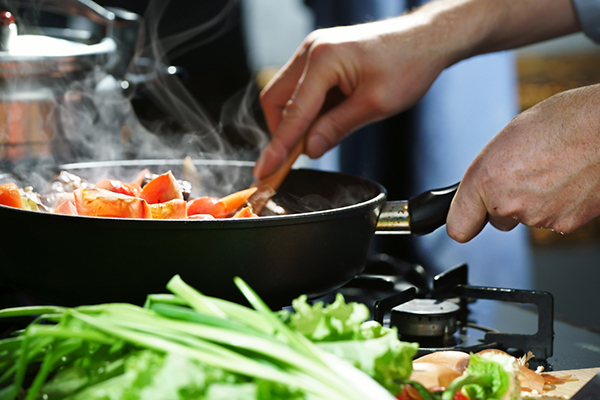
How you cook (or don’t cook) a food can impact its effect on blood sugar significantly. Foods higher in fiber, for instance, tend to have a lower GI. But cooking can break fiber down, which means the GI score could go up, Angelone says.
“Cooking helps soften cell walls, hydrate starches, and make things more digestible,” says Georgie Fear RD, CSSD, and author of Lean Habits For Lifelong Weight Loss. “Well-cooked pasta for example, has a higher GI than pasta that is cooked al dente.” But rather than take pasta off the burner before it’s fully cooked, Fear says it’s more useful to stick to appropriate serving sizes.
In another example of food prep’s effect on glycemic index, a sava potato peeled and boiled for up to a half hour scores 118. By contrast, that same potato a day later, after refrigeration and consumed cold, registers just 88.
2. Combining foods
We often don’t eat just one food at a time. And consuming a meal containing a small amount of a high-GI food along with some protein, fat, and plenty of fiber won’t have the same effect on blood sugar as eating any of those foods alone.
One of the most effective ways to regulate GI scores is to combine high-GI foods with low-GI foods. Acids, fats, protein, and fiber can all reduce the overall GI score of a meal. For instance, an apple with cheese, nuts, or yogurt will have a lower overall GI score than eating that apple alone.
And that impact can extend beyond a single meal. Soluble fiber, for instance, has the effect of dampening blood sugar levels. So consuming high-fiber, low-GI foods at breakfast may help moderate the glycemic response to whatever you eat at lunch. In contrast, researchers report that that breakfasts void of fiber and high in GI foods may negatively impact the way you digest food for the next few hours, resulting in potentially lower blood sugar control after you eat lunch.
3. Ripeness
How long you let your fruit ripen can also affect GI. “Ripening tends to increase the score since the carbohydrate in a fruit starts out as starch and gets converted to sugar as it ripens,” Angelone says. A green banana, for example, has a lower GI than a ripe banana.
List of Low Glycemic Index Foods
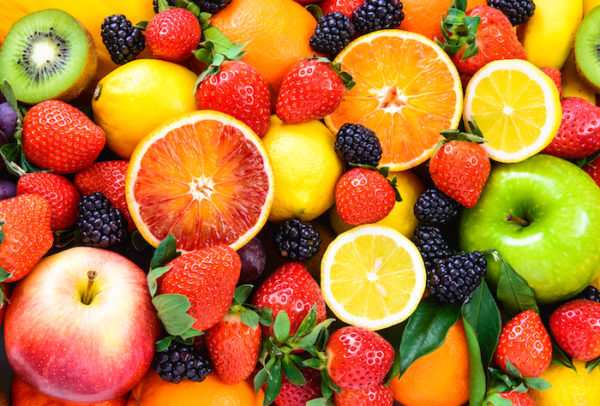
Fruit and fruit juices
- Plums: 24
- Blackberries: 25
- Grapefruit: 25
- Prunes: 29
- Raspberries: 32
- Tomato juice: 33
- Apricots: 34
- Apples: 40
- Strawberries: 40
- Pears: 42
- Tangerines: 42
- Apple juice (unsweetened/clear): 44
- Grapefruit juice: 48
- Blueberries: 53
- Peaches: 56
- Dates: 62
- Cherries (dark/raw): 63
- Cranberries (dried): 64
Beans and legumes
- Green beans: 15
- Snow peas: 22
- Kidney beans: 29
- Lentils: 29
- Lima beans: 32
- Black eyed peas (boiled): 33
- Butter beans: 36
- Chickpeas (boiled): 36
- Navy beans: 39
- Pinto beans (boiled): 39
Non-starchy vegetables
- Cabbage: 10
- Onions: 10
- Artichokes: <15
- Avocados: <15
- Cauliflower: <15
- Eggplant: <15
- Mushrooms: <15
- Asparagus: 15
- Broccoli: 15
- Celery: 15
- Cucumber: 15
- Lettuce: 15
- Peppers: 15
- Tomatoes: 15
- Zucchini: 15
- Turnips: 62
- Greens (wild): 68
Grains
- Barley: 22
- Rye: 29
- Wheat tortilla: 30
- Wheat pasta: 37
- Bulgur: 46
- Wild rice: 57
- Oats (not instant): 59
Nuts, olives, and oils
- Almonds: <15
- Peanuts: 13-23 (region dependent)
- Cashews: 25
- Chestnuts: 54
Dairy, fish, meat, soy and eggs
- Greek yogurt: 11
- Lean red meat: 21
- Almond milk: 25
- Fish: 28
- Skim milk: 32
- Egg: 42
- Soy milk: 43
- Low-fat cheese: 55
List of High Glycemic Index Foods
Fruit
- Overripe bananas: 48
- Pineapple: 66
- Watermelon: 72
Beverages
- Apple juice: 44
- Orange juice: 41-46 (region dependent)
- Pineapple juice: 46
- Coca Cola: 63
- Gatorade: 65-89 (flavor dependent)
Vegetables
- Parsnips: 52
- Corn (canned or frozen): 55
- Potatoes (baked): 85
Grains
- Bran Cereal: 42
- White rice: 64
- Whole wheat bread: 71
Snacks
- Jam: 49
- Jelly: 52
- Pound cake: 54
- Cookies (oatmeal): 55
- Corn chips: 72
- Donut: 76
- Crackers: 77
- Candy (jelly beans): 80
- Pretzels: 83
Source: Glycemic Index Foundation’s GI Database of Foods.
Tips for Navigating the Glycemic Index
Keep these principles in mind when prioritizing the glycemic values of foods.
Eat fewer processed foods
“Look for foods that are less refined and have intact fibers — like whole grains, legumes, vegetables. They’ll have less of an impact on blood sugar,” Angelone says.
In other words, choose foods in their whole, natural state as often as possible. “Whole fruits and vegetables, beans, and whole grains tend to score lower than their juices, or refined grains, sugars, and foods with added sugars,” Fear says.
Combine foods
“Eat carbohydrate-rich foods with some fat, fiber and/or protein, and eat them raw or lightly cooked,” Angelone says. “This will slow down the rate at which the carbohydrate gets absorbed and metabolized.”
Eat certain low-GI foods in moderation
Not all low-GI are foods are necessarily healthy. Glycemic index score is just one indicator among many — including saturated fat, sodium, and fiber content — of how a food impacts your body.
“Full-fat cheese and ice cream, for example, rank fairly low because the fat in these foods slows the absorption of glucose,” Fear says. “That doesn’t mean that filling a plate with cheese and ice cream makes a balanced or healthy meal.”
Get moving
“There is also evidence that the glycemic impact of a given food is lower after physical activity. A pre- or post-meal walk is always a nice idea,” Fear says.