

Our fascination with “clean” beauty was never just about putting certain ingredients on our skin. It was also about reducing waste, lessening our impact on the environment, and being more responsible with our consumption.
In that vein, the idea of reef-safe sunscreen sounds pretty damn good. Coral reefs not only sustain vital underwater ecosystems (about 25% of all marine species), they do us a solid here on land. They protect coastlines from storms and erosions, are an important source of food, and contain chemical compounds that have been used in treatments for leukemia, lymphoma, and cardiovascular diseases, among others.
Experts In This Article
- Brooke Jeffy, MD, board-certified dermatologist and founder of BTWN, a skin-care line specifically formulated for children, tweens, and teens
- Jeremy Fenton, MD, Jeremy Fenton, MD, is a board certified dermatologist and medical director of Schweiger Dermatology Group.
- Marisa Garshick, MD, FAAD, board-certified dermatologist at MDCS Dermatology and assistant clinical professor of dermatology at Weill Cornell Medicine
- Naana Boakye, MD, MPH, board-certified dermatologist and founder of Bergen Dermatology
- Neil Farnsworth, MD, is a board-certified dermatologist at Westlake Dermatology in Houston, TX.
- Quynh-Giao Sartor, MD, is a board-certified dermatologist at Westlake Dermatology in Houston, TX.
However, the research on sunscreen’s effect on our coral friends is still new and evolving, so products calling themselves “reef-safe” have no real way of knowing if they are, indeed, reef-safe. That said, we’d rather err on the side of caution and shop with the reef in mind, so we tapped the pros to help us understand what reef-safe sunscreen really means and give us a few recommendations for our next sunscreen purchase.
How does sunscreen impact the ocean?
When you get in the ocean, your sunscreen inevitably washes away into the water to some extent. The problem is that many sunscreens contain ingredients like oxybenzone, octinoxate, and octocrylene. These chemical ingredients absorb UV radiation, Dr. Sartor says, but unfortunately, they may also bleach coral reefs, impair the growth and photosynthesis of algae, and harm the overall health and reproduction of ocean wildlife. Once a coral reef dies, it rarely comes back, and entire ecosystems depend on its vitality.
Studies are still underway to determine just how much damage these ingredients are doing to underwater ecosystems (and there are certainly other factors like climate change). Still, early lab-based research with these ingredients has been enough to raise environmentalists’ concerns.
“How these lab-based studies translate into what actually happens in the ocean is unknown,” Dr. Jeffy notes. “In studies, sea life is exposed to extremely high concentrations of these chemicals, which are unlikely to occur in normal conditions. It is also possible that even lower concentrations may have negative effects, but it’s still unknown.”
Regardless, some destinations, including Hawaii, Key West, Aruba, and the U.S. Virgin Islands, aren’t risking it in the meantime and require visitors to use reef—safe sunscreen. Despite the evolving research, board-certified dermatologist Dr. Boakye says it’s safer to assume that reef-safe sunscreen is still better for the environment than non-reef-safe sunscreen.
What is reef-safe sunscreen?
“Reef-safe” and “ocean-friendly” are unregulated terms, which is to say that the Food and Drug Administration (FDA) hasn’t set a standard for products to meet to use the word. So technically, any brand can call their product “reef-safe.” And because the research isn’t complete, it’s hard to say if “reef-safe” is even really a thing.
“Given corals’ importance and concern about their vulnerability to climate change, one can validly propose that potential risks may outweigh these ingredients’ benefits to humans, especially when more effective alternative ingredients exist,” says Dr. Farnsworth.
If you’re looking for sunscreen without those potentially environmentally harmful ingredients, you can keep an eye out for a few things. “Sunscreens considered reef-safe are those that contain only physical blockers such as titanium dioxide or zinc oxide that reflect, rather than absorb, UV radiation,” says Dr. Sartor.
Looking for sunscreen labeled as “mineral” or “physical” is a good start. You can also look for the term “non-nano,” meaning that the sunscreen particles are large enough not to be as easily absorbed by your skin or coral. “Preservatives, fragrances, and another UV-blocking chemical agent, octocrylene, have also been scrutinized,” adds Dr. Jeffy.
Physical and mineral sunscreens will have a bit of a white cast to them, but that’s purely a cosmetic concern. “A pale cast can actually be useful in helping one monitor how quickly one is sweating or swimming one’s sunscreen off,” says Dr. Farnsworth.
If you’re headed to Hawaii or want to be cautious while waiting for more evidence to emerge (again, better safe than sorry), here are a few of the pro’s favorites:

Tizo Ultra Zinc Mineral Sunscreen — $45.00
Board-certified dermatologist Dr. Jeremy Fenton recommends this mineral sunscreen because of its high concentration of zinc oxide. It’s also “nicely moisturizing and doesn’t leave your face looking white and pasty,” he says.
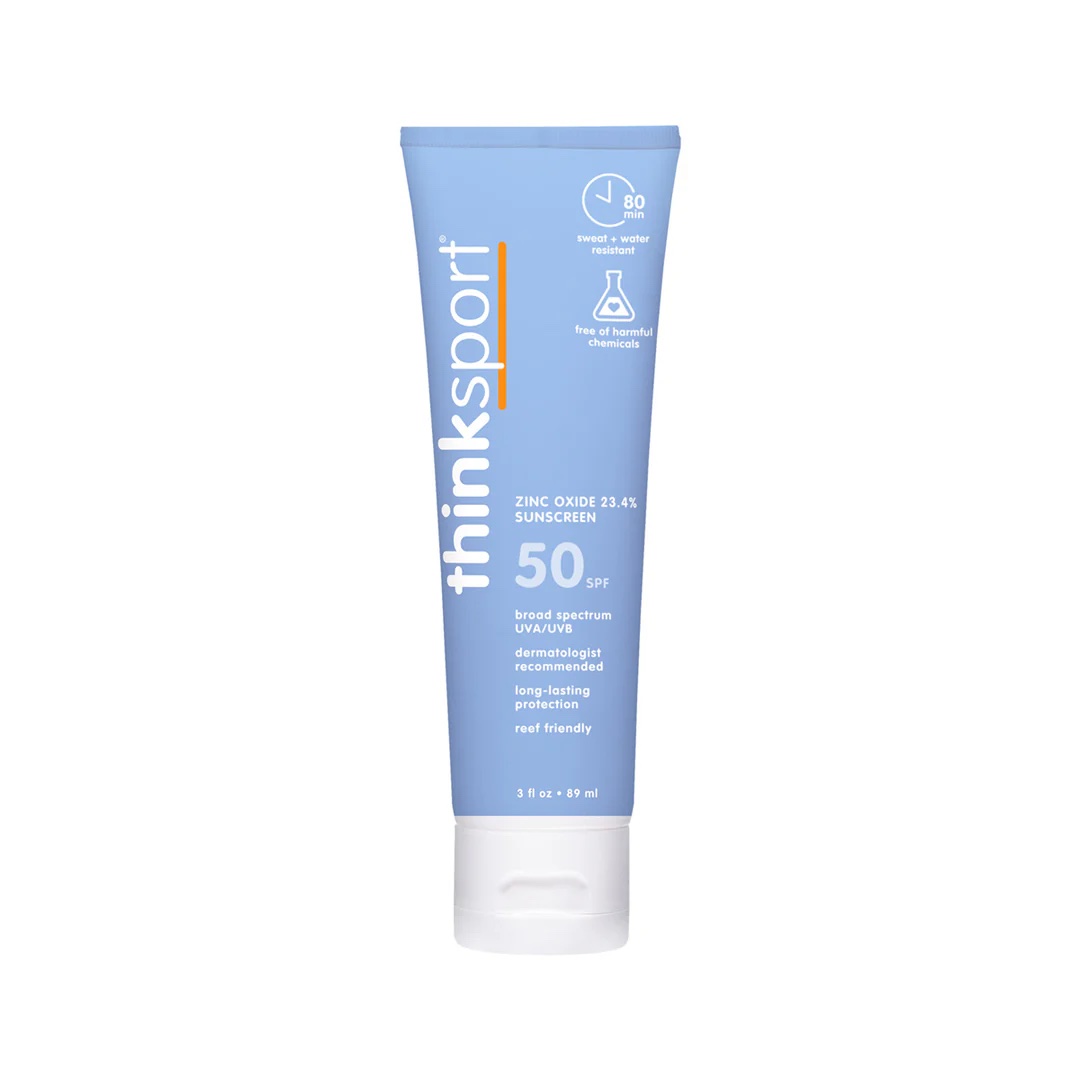
Thinksport Safe Sunscreen — $16.00
“This sunscreen is safe for the whole family, contains zinc oxide, and is especially great for those who are active and spend a lot of time outdoors as it is water resistant up to 80 minutes,” says Dr. Garshick.

Raw Elements Face + Body — $16.00
This non-nano zinc oxide also checks a few environmentally-friendly boxes, notes cosmetic chemist Dr. Shuting Hu. “Aside from the ocean-friendly formulation, the packaging is made from sugarcane waste which reduces plastic consumption.”
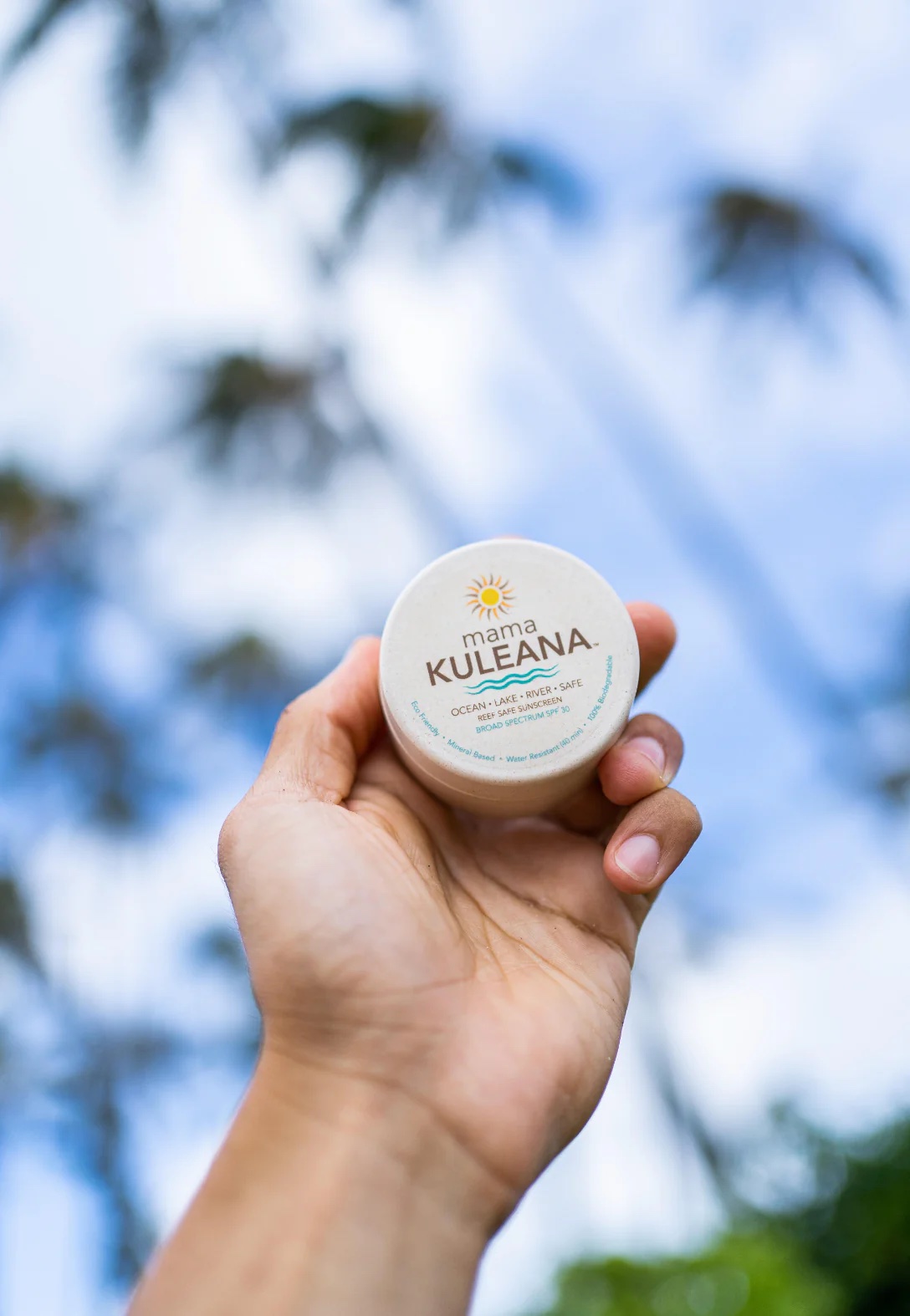
Mama Kuleana Reef Safe Sunscreen — $31.00
Dr. Hu recommends this mineral SPF 30. “This sunscreen is 100% microplastic free and comes in fully biodegradable jars, making it another really great, environmentally friendly option,” she says.
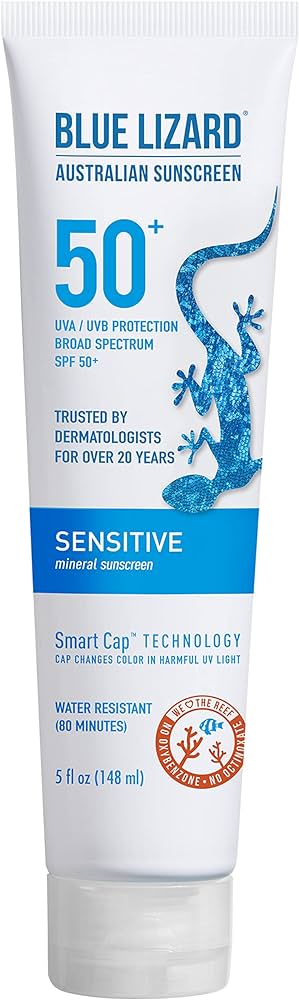
Blue Lizard Sensitive Mineral Sunscreen — $20.00
Board-certified dermatologist Dr. Marisa Garshick recommends this “reef-safe” formula because it’s paraben-free and fragrance-free, making it a great option for sensitive skin. “It is a great option for summer days as it is also water-resistant,” she says.
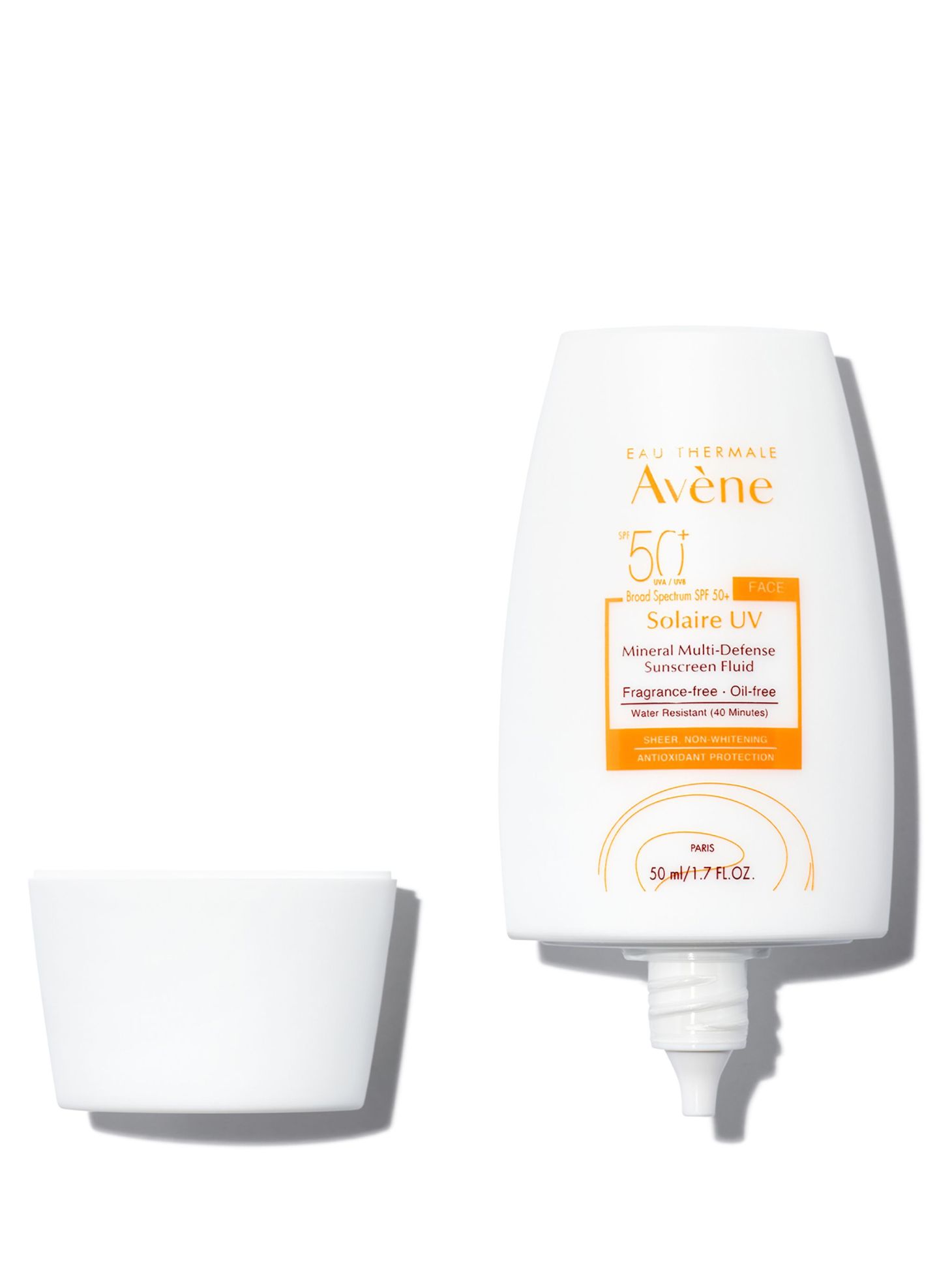
Avene Solaire UV Mineral Multi-Defense Fluid Sunscreen — $36.00
Our editors independently select these products. Making a purchase through our links may earn Well+Good a commission.