
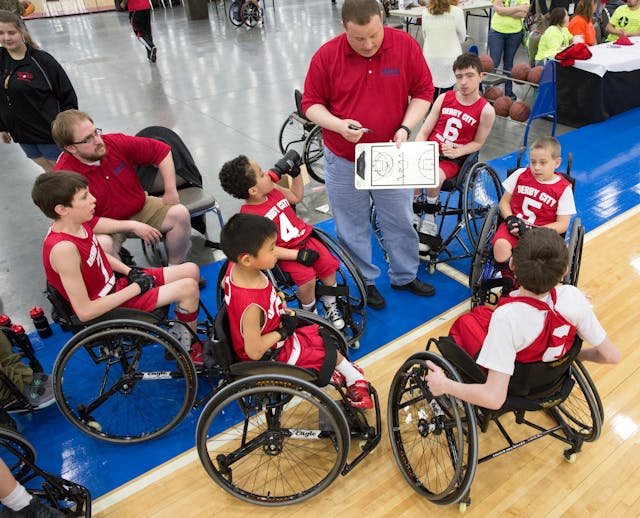
Raising a child with physical limitations means navigating medical systems, school settings and daily routines, which sometimes make it a little more complex – but still possible. Behind those challenges is an opportunity to help kids grow into someone who values their worth, understands their needs and has the boldness to advocate for themselves.
Resilience and self-advocacy can be nurtured through intentional efforts at home, in health care and in the community. Even with the best intentions, you may question how to do it. Here are research-informed methods to help children build these skills while maintaining their joy, confidence and independence.
What Is Resilience?
Resilience is the ability to keep trying after a setback and to find solutions when problems arise. It’s not about downplaying challenges or constantly bouncing back and ignoring your feelings — it’s about developing healthy functioning mechanisms and support systems that make coping possible. You can teach resilience by integrating play and learning into everyday activities, such as counting items and comparing prices when shopping.
What Is Self-Advocacy?
Self-advocacy is the ability to express your needs, make informed decisions and stand up for yourself, your beliefs and your rights. Teaching children to advocate for their needs helps them gain independence and confidence. Kids who understand and communicate their needs can confidently ask for support when necessary. For those with physical limitations, this may involve explaining school accommodations, requesting a break whenever they feel tired or requiring special medical care.
Teaching self-advocacy starts with awareness. Children need to recognize their own strengths and challenges first. Adults can guide this process by mentioning their abilities, like problem-solving, while acknowledging areas for improvement. Awareness can become the foundation for communication.
How Do You Build Resilience In Children With Disabilities?
Build resilience by modeling good examples for children to follow. This develops their strengths, encourages growth, promotes problem-solving skills and creates a supportive environment.
Build On Their Strengths
Conversations about physical limitations start with what a person can’t do. However, you’ll empower children to strive for more when you map out their strengths. This method builds on what excites them, where they already thrive and who supports them best. Kids adjust better when parents and educators increase their opportunities for physical activities they can do instead of pointing out deficits or perceived weaknesses.
Celebrating their existing abilities fosters resilience and encourages the child to view every challenge as an opportunity to grow. Creating a strengths map can anchor every decision, reminding them and everyone else that growth begins with what’s already working. You can design the map visually for children to look at if they need a daily reminder.
Encourage Their Growth
Children benefit from a mindset that sees challenges as learning opportunities rather than insurmountable barriers. Adults model this behavior by framing difficulties or challenges as growth. Kids imitate their parents to learn and build emotional responses toward situations. Focus on the positives and negatives, like acknowledging that a problem was difficult to handle, but the child learned something from it. Teach them to view setbacks as a learning process so they aim to try again.
Promote Problem-Solving
Promoting problem-solving gives the child the tools and confidence to handle obstacles in daily life. Families can guide children through this process by providing logical steps, from acknowledging the problem to promoting critical thinking and finding several solutions.
Create A Supportive Environment
Supportive families, teachers and friends play a role in building a child’s resilience. Creating routines that provide stability, encouragement that affirms effort and safe spaces to express emotions all contribute to resilience.
How To Develop Self-Advocacy Skills
While resilience encourages children to keep trying, self-advocacy encourages them to voice their needs. Developing these skills through communication, independence and understanding themselves better requires practice and support.
Develop Communication Skills
Clear communication is a cornerstone of children’s development. Parents should encourage kids to use respectful language when expressing their needs. Some children, depending on their physical abilities, prefer using specific phrases or communication aids. As they develop communication skills, they should feel more confident in sharing their perspectives at home, school and social settings.
Families who prefer a more structured and professional route should consult rehab doctors. These doctors help children by equipping them and their parents with the needed tools to succeed, including prescribing various treatment options and making recommendations and adjustments as needed.
Encourage Independence
Parents and educators who trust children to make choices encourage independent growth. Start by allowing them to make small decisions, like choosing their clothing or activities. As independence expands, kids take ownership of more significant responsibilities like homework and planning their daily routines. Independence can build confidence, which strengthens advocacy.
Foster Resilience And Self-Advocacy To Build Your Child’s Future
Children with physical limitations face unique hurdles, but they also have the capacity to develop resilience and independent voices. By teaching self-advocacy, encouraging growth, promoting problem-solving and creating a supportive environment, you can help them confidently navigate challenges. Fostering resilience and self-advocacy prepares kids to step into the world as capable, independent individuals who can advocate for themselves.