
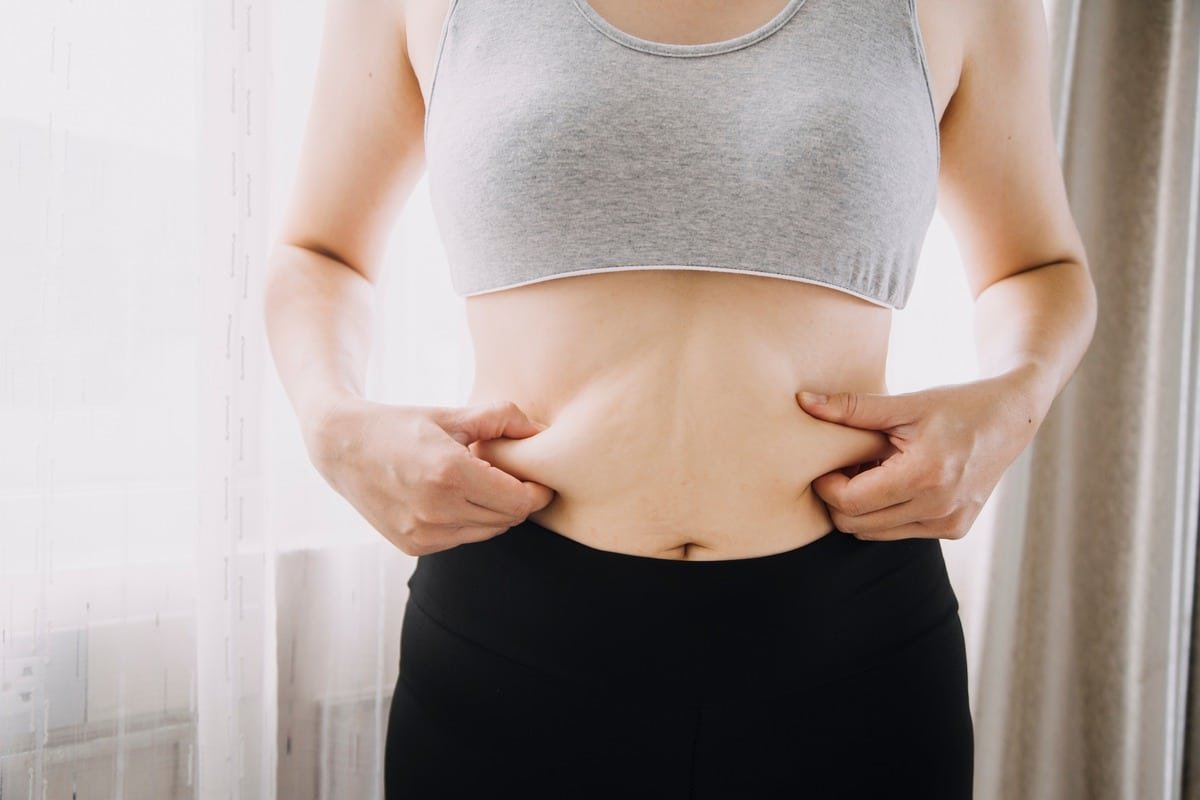
When you step onto a scale, it tells you a number. However, it does not tell you the whole story. Recently, more people across the US are moving beyond simple weight measurements to a deeper understanding of their bodies. They are focusing on something called Body Fat Percentage. Whether you have an athletic build or are just starting your health journey, measuring body fat has become a popular approach to evaluating overall fitness and wellness. Terms like 9 body fat, 18 body fat, and 20 body fat female regularly pop up in conversations, yet confusion remains about their meaning and significance.
Interestingly, the growing popularity of monitoring body fat is rooted in science and sports performance. For instance, elite athletes commonly aim for extremely low numbers, which is sometimes around 8 percent body fat or even as low as 5 percent body fat. The primary idea is to enhance performance. However, such figures are not necessarily optimal or healthy for everyone. On the flip side, knowing when you are at a healthy level (such as 18 body fat for females or 20 body fat for males) can help you maintain long-term wellness.
Deciphering what these percentages mean for you personally is challenging. Numbers without context create confusion, not clarity. In this detailed guide, we will simplify the complexities surrounding body fat percentage. Moreover, we will offer clear explanations and scientifically-backed information to help you interpret exactly what a figure like 9 body fat says about your health.
Significance of Body Composition
Relying solely on your body weight is not the best indicator of health. That is because the composition of your body gives a far more precise picture of your physical well-being. Body composition means how much fat, muscle, water, and bone you carry. For instance, someone with an athletic build and considerable muscle mass could weigh more than another individual of similar size but who has significantly higher body fat. Simply put, muscle tissue is denser and takes up less space compared to fat tissue.
Knowing your body fat composition helps you pinpoint health risks. Excessive body fat, particularly visceral fat around your organs, has clear associations with increased risks of cardiovascular disease, type 2 diabetes, and certain types of cancer. Conversely, too little body fat (such as falling to 7 body fat or lower) poses risks, too. It can impact hormone levels, immune function, and overall well-being.
What is Body Fat Percentage?
Your Body Fat Percentage essentially tells you how much of your body’s total mass consists of fat tissue versus other components like muscle, bone, and water. If your measurement says you have 18 body fat, this means that 18% of your overall body weight is fat, while the remaining 82% includes your bones, muscles, organs, and fluids.
Understanding body fat percentage matters because it is a valuable indicator of health and physical condition. Take a male athlete, for example: having 10 body fat male often signifies peak fitness and excellent muscular definition. Meanwhile, a woman might have 24 body fat female, which reflects a perfectly healthy, normal fat range due to natural differences in physiology between men and women.
How to Calculate Body Fat?
Accurately measuring body fat involves several methods, each with varying levels of accessibility, accuracy, and practicality. Knowing the advantages and limitations of each method helps you choose the right one for your needs.
1. Skinfold Calipers
Skinfold calipers measure the thickness of your subcutaneous fat, the layer just beneath your skin. Typically, measurements are taken at multiple specific body sites, such as the chest, abdomen, thighs, and triceps.
It is best performed by trained fitness professionals or healthcare providers. That is because the accuracy relies heavily on the skill of the individual conducting the measurements. When done correctly, this method is quite reliable. If repeated regularly by the same person, it is excellent for tracking progress.
2. Bioelectrical Impedance Analysis (BIA)
BIA is a quick and popular home method. It involves devices (scales or handheld devices) that send a safe, low-voltage electrical current through your body. Fat tissue conducts electricity slower than muscle or water, so it helps estimate body fat percentage.
While convenient, hydration levels, recent meals, or even exercise can impact its accuracy. Therefore, consistency is crucial: measure at the same time of day, ideally first thing in the morning, for best results.
3. Waist and Body Circumference Measurements
Waist, hip, and neck measurements, combined with your height and weight, provide an estimation of your body fat percentage through standardized equations. This method is straightforward, affordable, and relatively reliable, particularly for monitoring fat-loss progress over time.
4. Dual-energy X-ray Absorptiometry (DEXA) Scan
DEXA scans provide highly accurate measurements by using low-dose X-rays to analyze body composition, distinguishing between fat, muscle, and bone tissue. They are usually available in medical or clinical settings. Despite their accuracy, cost and availability limit routine use.
5. Underwater (Hydrostatic) Weighing
Considered a gold standard, hydrostatic weighing calculates body fat by measuring your weight underwater. Muscle sinks while fat floats, allowing precise calculation of body composition. However, this method requires specialized equipment and is usually limited to clinical or research facilities.
6. Air Displacement Plethysmography (Bod Pod)
Similar to underwater weighing, the Bod Pod method uses air displacement instead of water. It requires sitting inside a specialized capsule for a few minutes to determine your body composition. It is accurate and less intimidating but still relatively uncommon and expensive.
7. 3D Body Scanning
Modern 3D scanners can rapidly and accurately assess body composition using digital imaging technology. This emerging technology provides detailed measurements and visuals but remains limited in availability and affordability for most individuals.
Difference Between BMI and Body Fat
BMI (Body Mass Index) and Body Fat Percentage measure two very different aspects of your physical health. Many confuse these terms, but understanding their distinctions is crucial for a complete health assessment:
BMI
It is simply calculated using height and weight (BMI = weight in kilograms ÷ height in meters squared). This straightforward method categorizes individuals as underweight, normal, overweight, or obese. However, it does not differentiate between fat and muscle mass. For instance, someone muscular with 8 percent body fat might register as overweight by BMI standards due to higher muscle mass. This highlights its significant limitation.
Body Fat Percentage
This measure provides a specific breakdown of your body composition. It shows precisely how much fat you have versus muscle and other tissues. This metric can provide deeper insights into your health, identifying risks associated with excessive body fat or dangerously low body fat levels (like under 5 percent body fat).
Why Body Fat Percentage is Better:
- Accuracy: Body fat percentage offers a precise assessment of health and fitness levels.
- Individualization: It accounts for differences in muscle mass, bone density, gender, and age.
- Health Insights: It better predicts health risks related to obesity or low body fat.
Ultimately, combining BMI with Body Fat Percentage measurements gives the most complete picture of your overall health. However, if choosing between the two, Body Fat Percentage typically provides a far more nuanced, accurate indicator of physical well-being.
Ideal Body Fat Percentage for Women
Understanding the ideal body fat percentage for women involves recognizing the natural variations in fat storage that are crucial for overall health. Women’s bodies store fat differently. It is partly due to biological processes such as hormone regulation, reproductive health, and energy storage. This difference explains why a healthy body fat percentage for a woman typically differs from that of a man.
The American Council on Exercise (ACE) provides clear categories for body fat percentages in women:
- Essential fat (10–13%): This is the minimum required for normal physiological function. Dropping below this level can disrupt hormones, menstrual cycles, and fertility.
- Athletes (14–20%): Women athletes often maintain body fat within this range. At about 18% body fat, female athletic performance and health are typically optimal.
- Fitness (21–24%): This is an ideal range for physically active women. It allows for strength, performance, and a healthy metabolism without sacrificing essential body functions.
- Average (25–31%): Most women fall within this range. It represents good health and moderate activity levels.
- Obesity (32% or higher): Above this percentage, health risks such as cardiovascular diseases, diabetes, and joint issues become more prevalent.
Women aiming for a healthy lifestyle should focus on staying within the fitness or average categories. With 20% body fat, female body typically experiences excellent health, balanced hormones, and sustained energy levels.
Ideal Body Fat Percentage for Men
Men naturally have lower body fat percentages due to differences in hormonal makeup and lower requirements for reproductive fat storage. Consequently, ideal fat percentages for men are lower across all categories compared to women.
According to ACE guidelines, ideal male body fat percentages are classified as follows:
- Essential fat (2–5%): This minimal fat is critical for bodily functions. Levels below this (e.g., 5 percent body fat) can lead to significant health issues.
- Athletes (6–13%): Competitive athletes typically aim for this range. A body fat percentage of around 8 percent body fat or 10% body fat in males offers peak physical conditioning, especially for sports that demand speed and agility.
- Fitness (14–17%): Men who regularly engage in fitness activities, including strength training and cardio, usually fit into this category.
- Acceptable/Average (18–24%): Men within this range generally maintain decent health but could benefit from lifestyle improvements.
- Obesity (25% or higher): This indicates a higher risk for metabolic syndrome, type 2 diabetes, heart diseases, and other chronic health issues.
With 14 percent body fat and 20 percent body fat, men usually have optimal overall health, performance, and well-being.
Body Fat Percentage Chart by Age
Your ideal body fat percentage is not static because it varies with age. As you age, body composition naturally shifts. It usually increases in terms of fat mass and decreases in lean muscle. Understanding these age-based changes can help you set realistic, healthy goals.
Here is an average body fat percentage chart categorized by age and gender:
| Age Group | Men (Average %) | Women (Average %) |
| 20–29 | 18–23% | 25–30% |
| 30–39 | 19–24% | 26–32% |
| 40–49 | 21–26% | 27–33% |
| 50–59 | 22–27% | 29–34% |
| 60+ | 23–29% | 30–36% |
Young adults generally have lower body fat, while older individuals typically see gradual increases, especially among women post-menopause. For instance, female 30 body fat is quite common and healthy for women aged 50 and above.
Knowing these benchmarks helps you maintain a realistic approach toward body composition throughout your lifespan.
Limitations of Body Fat Percentage
While body fat percentage is an excellent tool for assessing your health, it is not without limitations. Understanding these limitations can prevent misinterpretation and help you use the information wisely:
- Measurement Inconsistency: Methods like skinfold calipers and BIA depend heavily on consistent conditions and skilled practitioners. Inaccurate placement or differences in hydration can skew results.
- Individual Differences: Genetics, ethnicity, age, and hormonal changes significantly affect fat distribution. That makes standardized categories less precise.
- Excessive Focus on Numbers: Becoming overly fixated on reaching exact numbers can lead to unhealthy behaviors or unrealistic expectations. Your overall health involves much more than just body composition metrics.
It is crucial to view your body fat percentage as just one aspect of health, along with lifestyle choices, energy levels, strength, and mental wellness.
HealthifyMe Note
Tracking body fat percentage provides valuable insights, but never let numbers define your worth or overshadow the bigger picture of health. Health is multifaceted. It is about feeling good, strong, and energized. True wellness involves mindful eating, regular movement, adequate sleep, and stress management. Instead of obsessing over hitting a specific percentage, focus on consistency in balanced meals and activities you genuinely enjoy. Your body naturally finds its healthy state when nurtured mindfully. Remember, sustainable health is not about perfection; it is about progress and self-compassion. Strategize around balanced nutrition and sensible physical activity, and tune into how your body feels and responds. Celebrate each step forward, however small, because a holistic approach rooted in mindfulness always leads to lasting success.
The Final Word
Understanding body fat percentage empowers you with deeper insights into your health than weight alone. Remember, achieving optimal health isn’t just about losing fat. It is about gaining strength, vitality, and confidence. Rather than obsessing over exact percentages, embrace a balanced lifestyle that includes wholesome nutrition, regular physical activity, and emotional wellness.
Apps like HealthifyMe can simplify your health journey by providing personalized guidance on diet, activity, and overall wellness. Having professional support can keep you accountable, motivated, and on track toward your healthiest self. Ultimately, body fat percentage is a guide, not a goal. True success lies in developing sustainable habits that nourish your body and mind for years to come.
Frequently Asked Questions (FAQs)
Q: What does having 9 body fat mean?
A: Having 9% body fat indicates extremely low body fat, which is typically seen in competitive male athletes or bodybuilders. While aesthetically appealing to some, maintaining such low levels long-term could lead to health issues, including hormonal imbalances and decreased immunity.
Q: Is 20% body fat healthy for females?
A: Yes, with 20% body fat, females can be very healthy. It is within the “Athlete” range, indicating high physical fitness levels, balanced hormones, and overall well-being. Most active women fall comfortably within 18–24% body fat.
Q: How can I reduce my body fat percentage safely?
A: Safely lowering body fat involves regular exercise, strength training, balanced nutrition, and adequate sleep. Aim to lose no more than 1-2 pounds weekly to maintain muscle mass and sustain your metabolism.
Q: What is the ideal body fat percentage for athletic women?
A: For athletic performance, a range of 14–20% body fat is ideal. It ensures enough body fat for healthy hormonal function, physical performance, and energy reserves without impairing health.
Q: What are the risks associated with very low body fat, like 5 percent?
A: Body fat percentages like 5 percent body fat pose risks such as weakened immunity, hormonal disruptions, fatigue, and potential bone density loss. Extremely low body fat should be carefully monitored by health professionals.
Q: Can body fat percentage increase naturally with age?
A: Yes, body fat tends to increase naturally as we age, especially after 40. Hormonal changes, decreased muscle mass, and lower metabolism all contribute to higher body fat percentages with advancing age.
Q: Is 18 percent body fat healthy for men?
A: Absolutely. With 18% body fat, male bodies can be in the “Acceptable” fitness range. It is a healthy percentage that indicates good physical condition, low risk of obesity-related conditions, and adequate energy reserves for daily activities.
Research Sources
3. Body Mass Index versus Percent Body Fat as a Predictor of Mortality in Men Aged 20-49
4. The effect of body composition on strength and power in male and female students
5. Body Composition Data for Individuals 8 Years of Age and Older: U.S. Population, 1999–2004
6. Anthropometric Measurements: When to Use This Assessment