
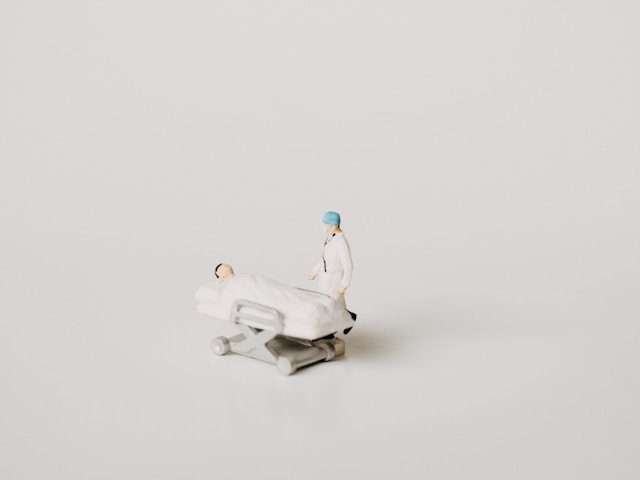
Sedation is a method doctors use to make patients feel relaxed and comfortable during specific treatments. When under conscious sedation, patients are easy to awaken and will feel calm. On the other end of the sedation continuum, general anesthesia puts patients to sleep entirely during the procedure. Is sedation something patients should worry about?
Preoperative Anxiety: Where Does It Come From?
Preoperative anxiety is a shared experience. It’s worth noting that around 36% of adults have some level of fear regarding dental visits. The reason why people are scared of medical procedures depends on age, gender, and other factors, such as fear of surgery, separation from their family, financial loss, postoperative pain, or even the fear of death. However, it mainly stems from the patient’s ability to understand the process that occurs during sedation. Healthcare professionals should explain the benefits to patients before any use of sedatives.
While there is always a risk in receiving anesthesia, it is usually safe when given by an experienced healthcare professional. Practical medical knowledge and skills are needed for the foundation of sedation practice. Hence, safe sedation training makes healthcare staff experts in sedation best practices. The following text debunks the common misconceptions about sedation:
Myth #1: Long-Term Cognitive Impairment
Sedation is typically safe for all eligible patients. Worries about sedation causing long-lasting problems with cognitive function have no basis. The right choice of sedation strategy is vital to prevent any side effects. Also, the risk of cognitive impairment is higher among older people and patients with pre-existing neurological conditions. These patients should be carefully screened before sedation.
Myth #2: Complete or Partial Paralysis
Drug-induced paralysis can be possible from deep sedation. This side effect can happen if the dosage is too high, but this is rare. Residual paralysis after general anesthesia is also a complication that can be avoided by careful management.
Myth #3: Feeling Pain During a Surgery
Can you still feel pain under sedation? Typically, it should not be possible if sedation is properly administered. Rarely, sedatives can be unpredictable or ineffective.
It is vital for healthcare providers to carefully monitor patients during and after sedation to verify that they used the correct dosage and sedative. Following the proper protocols will ensure patient safety and prevent any complications.
Understanding How Sedation Works
Sedation works on the central nervous system to slow down brain activity and suppress the transmission of signals between nerve cells. Sedative medications target brain receptors, like GABA receptors, responsible for inhibitory neurotransmission. These are the 4 types of sedation:
- Minimal Sedation. The patient remains awake but relaxed. It is suitable for dental procedures and minor surgeries.
- Moderate Sedation. It is also known as conscious sedation; the patient undergoes sedation to an average level, enabling them to respond to verbal commands. Medical professionals commonly employ this sedation technique for endoscopic procedures and diagnostic imaging tests such as MRI or CT scans.
- Deep Sedation. It involves the patient being between consciousness and unconsciousness, resulting in limited responsiveness to stimuli. This type of sedation is for invasive surgeries, such as orthopedic or abdominal procedures.
- General Anesthesia. The patient is entirely unconscious, unable to feel pain or respond to any stimulus. Healthcare workers use it for complex procedures and major surgeries like open-heart surgeries, brain surgeries, or organ transplants.
Techniques And Exercises To Calm Yourself Down
Being anxious or worried about something is a normal part of life. Everyone gets upset or flustered, but anxiety or anger should not take over completely. Being able to calm down at the moment is often tricky, but there are some strategies to get you to control your emotions and feelings. Consider trying one of these calming tactics when you’re feeling anxious or angry:
Breathing
Naturally, you would take a breath or sigh upon becoming emotionally triggered. Breathing exercises and mindfulness techniques calm the nervous system, which, in its turn, controls the body’s involuntary functions. Controlled breathing or deliberately copying a relaxed pattern causes physiological changes. These include slowing down the heart rate, lowering the levels of stress hormones in the blood, and reducing high blood pressure.
For instance, a straightforward breathing exercise is diaphragmatic belly breathing. Sit or lie down somewhere quiet. You place a hand on the chest and the other above the belly button. Then you breathe deeply through your nose while imagining this breath coursing through the body, so the belly naturally rises. Focus then on the difference in motion between the hands. Exhale through the mouth. You should feel the opposite motion for the hands. You can repeat this for up to ten minutes for the anxiety to fade away.
Progressive Muscle Relaxation
The body’s response to stress is often muscle tension that tends to cause pain or discomfort. These muscles tell the body that there’s stress, which leads to a progressive vicious cycle.
Engaging in muscle relaxation activities can help you relax muscles that are tense as a result of your anxiety.
To do progressive muscle relaxation, first, you tense certain muscle groups one at a time. During a muscle relaxation exercise, you should notice a change in how that part of the body feels. As you do so, the tension and overall stress should be reduced, leaving the area feeling loose and relaxed. Then, you can move on to other parts of the body.
Affirmations
Some people believe that stress starts in the mind. While that is still a topic of debate for many researchers, the stress response indeed begins in the brain. So, the more nervous our thoughts are, the more stressed the body becomes. Avoiding these unhelpful and irrational thoughts would be beneficial to reducing anxiety. One helpful technique to minimize unease and worry is saying affirmations.
Affirmations are positive statements or beliefs people repeat to themselves because they resonate with them. When our mind focuses on these types of optimistic statements rather than being irrational, it can result in improved self-image and reduced stress and anxiety. The psychology behind affirmations is rooted in cognitive-behavioral therapy. It reinforces positive behaviors and beliefs and counters negative thinking and associated actions.
Conclusion
Healthcare professionals can reduce preoperative anxiety by identifying and addressing the causes. Sedation without stress is possible with thorough education before surgery, tailored calm-down plans, and understanding conversations. Patients can use affirmations, muscle relaxation, positive thoughts, and breath exercises to bring peace and lower stress.