
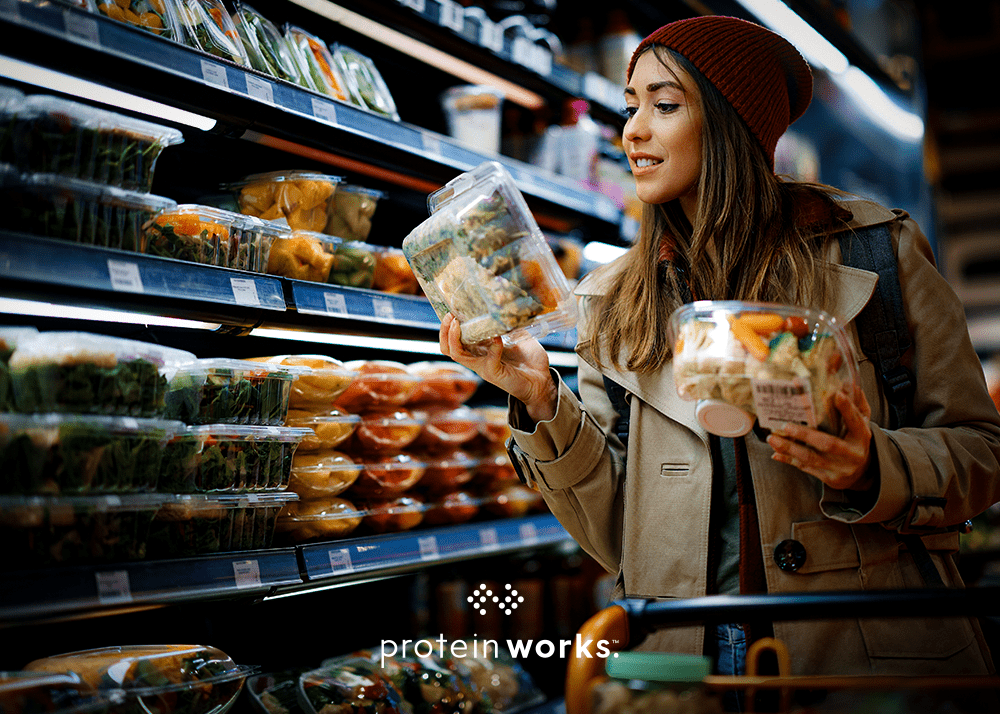
Where knowledge around food allergies and intolerances are rising, and nearly half of buyers admit concern over ingredients they consume but don’t understand, it’s more important than ever to get educated about what we consume.
According to a survey, 53% of consumers don’t even glance at the ingredient list on food labels. Shockingly, over 80% of adults in the UK don’t fully understand these labels, leaving most people uncertain about the true content of their purchases.
As Black Friday approaches, a season marked by impulse buying (40-80% of all purchases), it’s easy to get swept up in deals without considering what truly makes up the products we’re consuming. Understanding food labels isn’t just a good habit; it’s a tool for making healthier, safer, and more informed choices.
Black Friday and Overconsumption: How Panic Buying Can Lead to Poor Choices
When discounts are plentiful, shoppers often experience the rush of a “great deal” without fully evaluating what they’re purchasing.
For instance, 60% of Gen Z and 40% of Baby Boomers reported regretting their Black Friday buys. Online shopping’s convenience has intensified this, with 75% of shoppers planning to buy online this Black Friday, up by 7% from last year.
For food products especially, skipping over labels can mean unknowingly consuming ingredients that might not suit your body’s needs or tolerances. Taking a moment to understand what’s in your food not only supports better health choices but also keeps you in the know of what works best for your body.
By slowing down to educate yourself now, you’ll be prepared for the Black Friday rush and ready to shop with confidence. This guide will help you interpret food labels so that when you’re at checkout, you can feel assured that your purchases are well-informed
The Most Confusing Food Label Terminology Simplified.
Understanding common food ingredients is the first step to becoming an informed shopper. Here’s a breakdown of what the most–searched-for ingredients really mean, to show that big words don’t always mean scary ingredients:
- Sodium Chloride (1.6M monthly searches): In moderation, sodium chloride is generally safe, as this is just salt! While excessive salt intake has been associated with high blood pressure and heart issues in some cases, it also plays a critical role in maintaining fluid balance, especially for those with active lifestyles. People who exercise or sweat heavily may benefit from a slightly higher sodium intake to replenish what’s lost through sweat. Most adults should aim for 2,300 mg or less per day.
- Sucrose (875K searches): Known as table sugar, sucrose is safe in moderation. To avoid issues like unhealthy weight gain and tooth decay, try to limit added sugar to 25 grams per day for women and 36 grams for men.
- Aspartame (552K searches): Another low-calorie sweetener, commonly used in diet drinks. Approved by health agencies worldwide, aspartame is safe when consumed within daily limits (about 40 mg per kg of body weight).
- Maltodextrin (301K searches): This fast-digesting carbohydrate is typically used as a carbohydrate source in drinks, providing bulk and serving as an alternative to sugar. Although it’s not a sugar itself, maltodextrin digests quickly, which can raise blood sugar levels faster than slower-digesting carbs like oats. This rapid absorption makes it especially valuable in sports drinks and gels, where fast energy is beneficial for performance and recovery. The daily recommended amount is 10 to 30 grams, to be diluted in 200 to 300 ml of liquid.
- Sorbitol (246k searches): Sorbitol is a carbohydrate and sugar alcohol found in some fruits and used as a low-calorie sweetener in “sugar-free” foods, gum, and certain medications. It has a slower impact on blood sugar than regular sugar, making it an alternative option for people with diabetes. Excessive intake (over 15 grams daily) can cause digestive discomfort, including bloating and gas, with moderate doses usually tolerated.
Protein-Specific Terminology – Breaking Down Ingredients in Protein Supplements
Protein shakes and supplements can include unfamiliar ingredients to the regular consumer. Here’s what some of the top-searched-for terms mean:
- Probiotics (3.5M monthly searches): These beneficial bacteria are included to support gut health. Look for “live and active cultures” for the most benefit, though the specific strains may vary.
- Creatine Monohydrate (861K searches): A supplement proven to enhance strength and performance in high-intensity exercise. It’s safe for most adults but consult with a health professional if you have kidney concerns.
- Glutamine (728K searches): An amino acid that supports muscle recovery and gut health, with increasing popularity in gut health products. It’s often added to protein powders for athletes and fitness enthusiasts.
- Whey Protein Isolate (393K searches): A highly refined form of protein that removes most fats and carbohydrates. It’s quickly absorbed and often used as a daily protein shake.
- Digestive Enzymes (495k searches): These proteins help break down food into nutrients the body can absorb, helping to reduce bloating and improve digestion. Common in protein powders and supplements, they may aid those with digestive sensitivities.
Key Buzzwords to Look Out For on Food Labels
Knowing which terms to watch for can help you avoid any potential unwanted additives or low-nutrient fillers.
- Sugars ending in “-ose”: Ingredients like sucrose, fructose, and dextrose are all sugars.
- Preservatives ending in “-ate” or “-ite”: Ingredients like sodium nitrite or potassium sorbate preserve food shelf life. While these are generally safe in moderation, nitrites are best limited, especially in processed meats, as they can form harmful compounds in the body.
- “Enriched” or “Fortified” Flours: These flours, often found in baked goods, are processed to have a longer shelf life but lose valuable nutrients. Enriched flours are fine occasionally but rely on whole grains if you’re looking for better nutrition.
- “Artificial” vs. “Natural” Flavours: Artificial flavours are lab-produced and are generally considered safe. Natural flavours are derived from real ingredients, although they may still be processed.
- High-Fructose Corn Syrup: Often found in sodas and sweets, this is a concentrated sugar that can quickly raise blood sugar levels. For sustained energy and better health, minimise products containing high-fructose corn syrup.
The Importance of Becoming ‘Label Literate’
Kyle Crowley, a nutritionist here at Protein Works, explains that while most ingredients in processed foods and supplements are safe to consume in moderation, being ‘label literate’ empowers consumers to make choices that are in sync with their personal goals and needs:
“Ingredients like preservatives, artificial sweeteners, and flavour enhancers are generally safe for consumption and are regulated to meet safety standards. However, knowing what’s in your food allows you to make informed decisions about what you’re consistently putting into your body.”
“For instance, while a small amount of maltodextrin or sodium benzoate won’t harm most people, those aiming to limit blood sugar spikes or reduce processed intake may choose to avoid them. Label literacy lets you align your food choices with these individual goals rather than simply assuming all products on the shelf are equally suited for everyone.”
“One simple step to making more informed decisions is by understanding that ingredients are listed in order by quantity, from highest to lowest, so pay attention to the top three ingredients — they indicate the primary makeup of what you’re consuming and can give insight into potentially excessive ingredients, like sugars or fillers.”
“Another step is understanding serving sizes, as some manufacturers list smaller portions to downplay calorie and sugar content. For example, a bottle may contain two or three servings, but many people would consume the whole container at once. To accurately gauge what you’re consuming, simply multiply the nutrition values by the number of servings you’ve had.”
Conclusion: Get to Know Your Purchases This Black Friday
This Black Friday, take a moment to read labels and make informed choices. By understanding what’s in your food, you’re not only making healthier choices but also supporting the businesses that prioritise transparency and promote conscious, well-informed choices. The power of knowledge allows you to shop smarter, avoid post-holiday regret, and enjoy food products that truly benefit your health.
This Black Friday, make informed decisions and feel truly rewarded by staying mindful—prioritising thoughtful choices over the thrill of the moment.