
Vitamin D, also going by the cheerful name of the ‘sunshine vitamin’, has a whole host of benefits for your body and mood. But do you really need to be adding it into your supplement rotation? Whether you’re curious about what it does, wondering how to spot a deficiency, or want to know the best ways to boost your vitamin D levels, this guide has you covered.

What is vitamin D?
Vitamin D is a fat-soluble vitamin that helps the development of our bones and teeth, as well as promoting a healthy immune system and overall good mood. When we’re exposed to sunlight, our bodies naturally produce vitamin D, helping us stay strong. However, if we don’t get enough sunlight (cough, UK, cough), we may need to supplement the vitamin to make sure we’re getting enough to experience the whole array of benefits it offers.
But before we get into that, we should explore the vitamin itself a little more. The vitamin exists in two main forms:
- Vitamin D2 (ergocalciferol): Found in plant-based sources and fortified foods.
- Vitamin D3 (cholecalciferol): Produced in your skin and found in animal-based foods and some supplements.
Once you’ve taken it or your body has naturally created it using sunlight, vitamin D is converted in your liver and kidneys into its active form, calcitriol, which is essential for various processes in your body. Let’s dive into them.
What does Vitamin D do?
It plays a part in a huge range of body function optimisation. From physical to mental effects, it really is an all-rounder – but these are the highlights:
Supporting bone health:
Vitamin D helps your body absorb calcium and phosphorus, which are essential for strong bones and teeth.
Boosting immunity
The effect of regulating the absorption of calcium and phosphorus also enhances your immune system, helping your body fend off infections.
Regulating mood
Low levels of vitamin D have been linked to mood disorders, including seasonal affective disorder (SAD), a very common phenomenon for people who live in areas with less natural sunlight.
Supporting muscle function
Adequate vitamin D can improve muscle strength and prevent falls, making it a great supplement to take for older adults if you think you could be deficient.
Fighting disease
Research has suggested that the vitamin may even play a role in reducing the risk of various diseases, from multiple sclerosis, to heart disease, to COVID and the flu.
All of these benefits are great, but how would you know if you’re not getting enough vitamin D? Luckily, there are a few signs that are fairly easy to look out for.
Signs you might be deficient
Vitamin D deficiency is surprisingly common, especially in regions where you’re exposed to limited sunlight. Signs of deficiency can be subtle, but if you experience any of the following, it could be worth looking into increasing your intake:
- Fatigue or low energy
- Frequent colds or infections
- Bone or muscle pain
- Hair thinning or loss
- Depression or low mood
- Slow wound healing
Certain groups are more at risk of deficiency, too. People with darker skin, those who live in northern climates, individuals who wear sunscreen regularly, or those with limited sun exposure due to indoor lifestyles are all associated with lower vitamin D levels So if you fall into one or more of these categories, and experience some of the above symptoms, it’s definitely worth looking into adding more vitamin D into your day.
How do you boost your levels?
If you think you may need to increase your body’s vitamin D levels, there are three main ways to do it:
Seek out the sunshine
The most natural way to get the sunshine vitamin is, not surprisingly, through sunlight. Spending 10–30 minutes in the sun several times a week can be enough for many people, depending on factors like skin tone, latitude, and time of year. It’s best to aim for midday sun exposure, as this is when UVB rays are most effective for vitamin D synthesis. So, heading out for a lunchtime walk every day could do you a world of good.
Tip: Avoid overexposure to prevent skin damage and sunburn – balance is key.
Focus on your food
While there aren’t many items you can add to your diet that contain significant amounts of vitamin D, you can still boost your intake by focusing on adding these vitamin D-rich foods into your intake:
- Fatty fish: salmon, mackerel, and sardines
- Egg yolks: a natural source of the vitamin
- Fortified foods: many dairy products, plant-based milks, cereals, and orange juice are fortified with vitamin D
- Mushrooms: especially those exposed to UV light
It is almost impossible to meet your daily requirements through diet alone, though, so these foods should always be eaten alongside another method of upping your intake if you really want to feel the benefits.
Consider supplements
Since it’s not always possible to get enough sunlight and diet alone won’t give you enough vitamin D, supplements are a reliable way to ensure you’re meeting your daily needs – especially during the winter. Both vitamin D2 and D3 are available in supplement form, though vitamin D3 is generally considered more effective at actually increasing the levels of the vitamin in your blood.
Alternatively, you can take something that covers more bases, like our Essential Multivitamin, which contains vitamins D, B12, C, B3 and B1.
Can you have too much?
In short, yes you can. Though it’s pretty rare to have too much vitamin D naturally, as your body regulates it, it’s not unheard of for people to overdo it with supplements. This can lead to vitamin D toxicity, which causes too much calcium in your blood (hypercalcaemia).
Some common signs of hypercalcaemia include:
- Nausea or upset stomach
- Feeling tired or weak
- Constipation
- Kidney stones
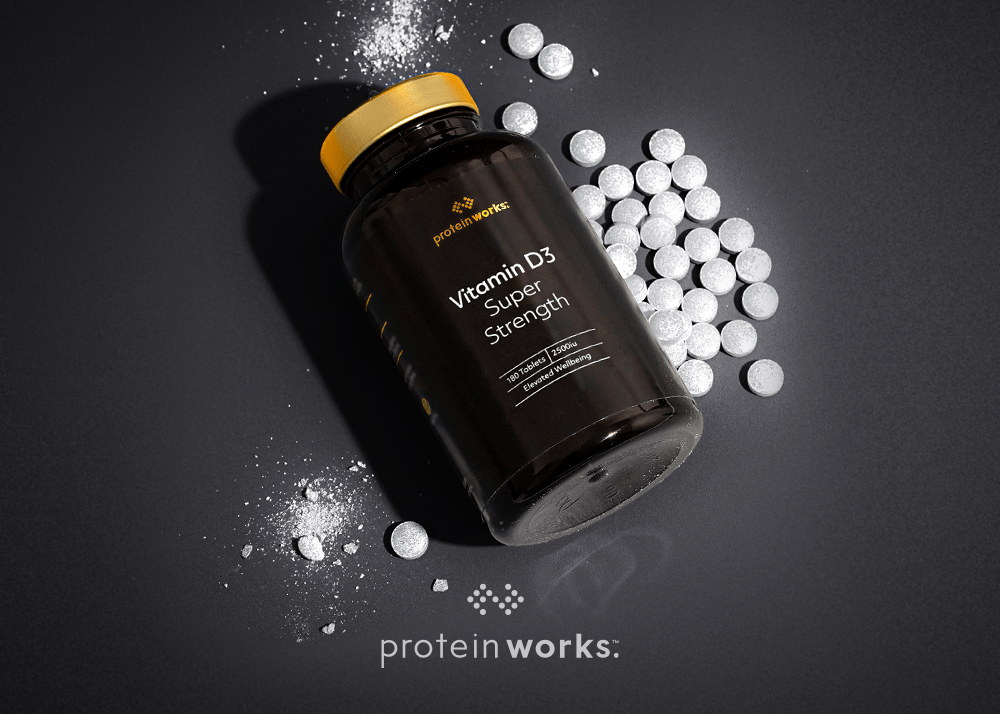
So, to avoid this, don’t exceed the recommended upper limit of 4,000iu. Our vitamin D3 supplement comes in 2,500iu dosage, giving you the optimum amount to keep your bones strong and mind happy.
If you’re unsure on how much to take, stick to a lower amount to start with, get your levels checked occasionally to make sure you’re on track, and talk to your GP if you want more personalised information on the amount that’s right for you.
References
Your Guide to Vitamin D3 Benefits | Healthline
5 signs you’re not getting enough vitamin D, especially in winter | Glamour Magazine
Your skin, vitamins and the sun | Skin Health Institute