
Whether you’re a seasoned running pro or a recent couch-to-5k convert, you’ve probably got electrolytes on your radar. These handy packets of essential minerals are great for hydration, muscle function and endurance, making them an extremely useful item in any runner’s arsenal – especially for longer distances. We’re here to break it all down, explaining exactly what electrolytes are, why they could benefit you as a runner, and how you could add them into your running routine.
What are electrolytes?
Electrolytes are essential minerals, like sodium, potassium, magnesium and calcium, all of which play a huge role in our bodies’ function. They’re dissolved in your body’s fluids, which is why hydration and balanced electrolytes go hand in hand. From maintaining hydration, to supporting nerve and muscle function, to regulating the pH levels in our blood, electrolytes are powerful things. And when we’re healthy, we tend to get enough of them from our normal diets. No sweat.
But in ‘no sweat’ lies the problem. When we exercise heavily, and sweat as a result, we lose our bodies’ natural stores of electrolytes. This can cause some less than ideal side effects, so if you’re doing a lot of intense exercise or long-distance running, it’s important you can recognise when you have an electrolyte imbalance so you can rectify it as quickly as possible.
Why runners need electrolytes
As a runner, it’s a given that you’ll sweat during your workouts – especially if you’re going for a PB or running in particularly hot or humid conditions. This sweating means you’re losing salt, which can lead to dehydration (sodium is a key player in regulating the body’s fluid balance), which in turn means there’s less fluid to carry electrolytes in the body. And it doesn’t have to be a lot of sweat: even mild dehydration or electrolyte imbalance can impact your performance.
If you’re low on electrolytes during your workout, there are some telltale signs. Some common symptoms include muscle cramps or twitching, fatigue or weakness, and general light-headedness. So, if you can avoid these by supplementing electrolytes at the right time (we’ll cover this in a second), you’ll be able to maintain your endurance, mental focus, and even recovery speed once your workout’s done. It’s a win, win, win.
Which workouts need electrolytes?
So how exactly can you avoid these low-electrolyte effects? Well, water should suffice for any <60 minute runs. For this length workout, your body should have enough electrolytes to last you without the need for supplementation – as long as you stay hydrated. The general rule of thumb for this is to drink 50-250ml of water, every 20 minutes of your run, depending on the rate at which you’re sweating. That should be plenty for your body to function well.
However, for runs over one hour, electrolyte intake is recommended to keep your body working at its best.
You should also consider using electrolytes when running in hot or humid weather, if you’re a more salty sweater (you can tell if your sweat leaves visible white marks on your skin or clothes), if you’re running at high altitude, or if you’re in a back-to-back period of training. All of these scenarios will mean you’ll lose fluid and sodium at a faster rate, and therefore experience the side effects sooner than usual.
How to take electrolytes while running
There are three times you can take electrolytes as a runner: pre-run, during run, or post-run. Depending on the intensity of your workout, you may not need to take them at all three stages. However, each has their benefits, and for times when you’re losing a lot of sweat, covering all three tends to be helpful.
Taking them pre-run has been shown in studies to increase water retention in the body, helping you rehydrate faster after your workout. Drink some a couple of hours before your run to ensure you start out as hydrated as possible, and give yourself the best shot at success.
As a long-distance runner, you should take electrolytes out on the move with you, allowing you to replenish your stores as you go. Whether it’s in a powder, tablet, gel or just mixed into your water, this is a great way to maintain your stamina and prevent any nasty side effects that may slow you down. Listen to your body to know when you need to replace what you’re losing: drink when you’re thirsty, and pay attention to how your mind and muscles feel.
Post-run is also a great time to take electrolytes, helping you replenish what’s lost – which is especially useful after longer or hotter sessions. At this stage, it’ll help your muscles recover and reduce any soreness you’ll feel the next day.
Can you drink too many electrolytes?
In short, yes. Whether you’re taking them just before, just after, or constantly throughout your workout, you just need to be sure you’re not overdoing it: an electrolyte imbalance works both ways! Don’t view electrolyte drinks as a substitute for water; that makes it easy to overload. Instead, see them as speciality products there to help when you need them. Typically, one or two electrolyte drinks should be enough for most people to fully replenish anything they’ve lost while running.
When it comes to tablets or sachets, you’ll be able to find specific instructions on the packaging. Again, just listen to your body and only take them when needed – if you’re still feeling thirsty after a recommended dose, you probably just need some water!
So, what’s the verdict?
As a runner, especially long-distance, electrolytes are a must-have. They’ll help your body recover, give you more endurance, and keep you hydrated during even the most intense workouts. How much you need will come down to trial and error – after all, everyone’s sweat rate and type differs – but our general advice would be to not wait until you feel dizzy or dehydrated! Hydrate early and consistently through your workout, and start incorporating electrolytes into your training, so that come race day, you’re well prepared.
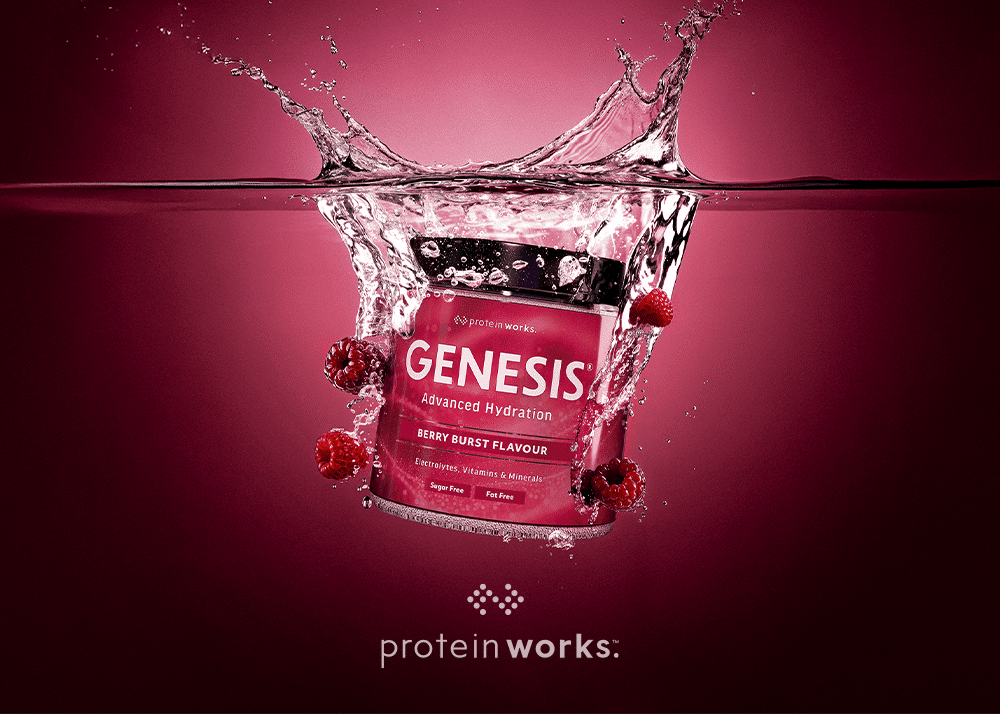
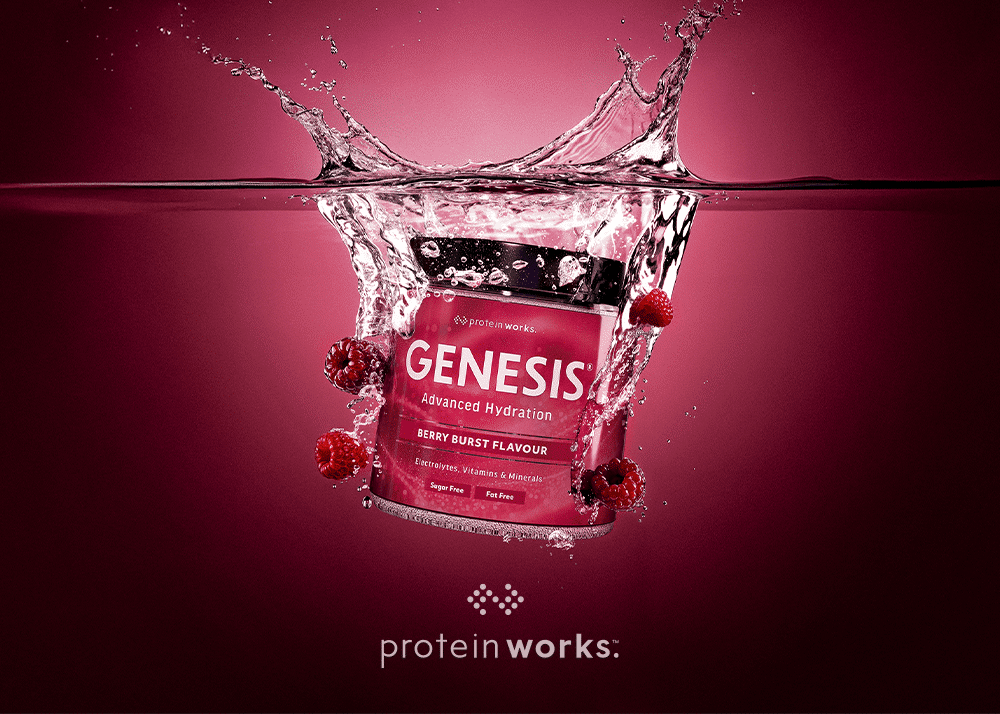
Looking for a new hydration drink packed with electrolytes to try? Check out our Genesis Advanced Hydration.
References
Choi, Dong-Hun, Joon-Yong Cho, Jung-Hoon Koo, and Tae-Kyung Kim. 2021. “Effects of Electrolyte Supplements on Body Water Homeostasis and Exercise Performance during Exhaustive Exercise” Applied Sciences 11, no. 19: 9093.
The Runner’s Complete Guide To Electrolytes | Trailrunner
Running and hydration: Everything you need to know | Runner’s World
Can You Drink Too Many Electrolytes? | Cleveland Clinic