

Do you ever find yourself squinting at a nutrition label or nodding along to dieting advice you don’t fully understand?
Nutrition vocabulary can feel like insider jargon, but it’s key to making smart choices for your health and fitness.
Whether you’re looking to lose fat, build muscle, or simply understand what’s in your food, knowing the most common nutrition words can make all the difference.
Here’s your guide to 50 essential nutrition terms that will simplify healthy eating and help you achieve your health and fitness goals more easily.
50 Nutrition Terms You Need to Know
Here’s your A-to-Z guide to 50 must-know nutrition and diet words:
A
Amino Acid
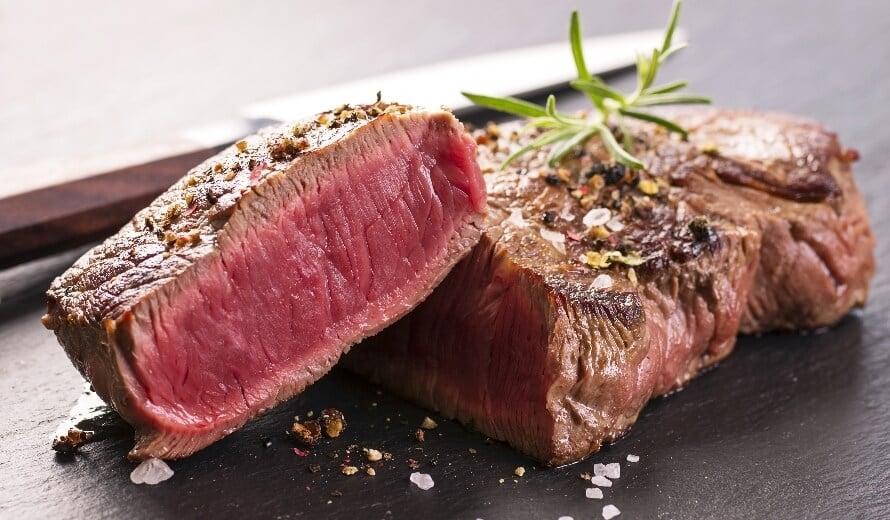
The building blocks of proteins. Your body uses 20 amino acids to create proteins, nine of which are “essential,” meaning you need to get them from food.
Example: “Eggs are a complete protein because they contain all nine essential amino acids.”
B
Basal Metabolic Rate (BMR)
The number of calories your body needs to maintain basic functions like breathing and circulating blood while at rest.
Example: “Knowing your BMR can help you estimate how many calories you need to lose or maintain weight.”
Bioavailability
The proportion of a nutrient or substance that your body absorbs and uses after you eat it.
Example: “Vitamin C enhances the bioavailability of iron from plant-based foods, making it easier for your body to absorb.”
Blood Sugar
The concentration of glucose in your blood, which provides energy for your cells. Maintaining stable blood sugar levels is important for overall health.
Example: “Eating balanced meals with protein, fat, and fiber helps prevent blood sugar spikes.”
Body Mass Index (BMI)
A measurement that compares your weight to your height to assess if you’re underweight, normal weight, overweight, or obese.
Example: “A BMI of 25 or higher is considered overweight.”
Bulking
Nutrition terminology referring to a phase of dieting where you eat more calories than you burn to gain muscle mass. Often paired with strength training to maximize growth.
Example: “While bulking, he increases his calorie intake to 3,200 per day.”
C
Calorie
The energy needed to raise the temperature of 1 kilogram of water by 1 degree Celsius. Your body uses calories to perform all functions and activities.
Example: “A gram of carbohydrate has 4 calories, a gram of fat has 9, and a gram of protein has 4.”
Carbohydrate
One of the three macronutrients, primarily used by the body as a quick and efficient source of energy.
Example: “Sweet potatoes are a great source of carbohydrates.”
Cholesterol
A waxy, fat-like substance found in your blood and cells.
There are two main types: low-density lipoprotein (LDL), often called “bad cholesterol,” which can build up in your arteries and increase your risk of heart disease, and high-density lipoprotein (HDL), known as “good cholesterol,” which helps remove excess cholesterol from your bloodstream.
Example: “Avocados and olive oil help raise HDL cholesterol.”
Cutting
Diet terminology referring to a phase of dieting where you eat fewer calories than you burn to lose fat while preserving muscle mass.
Example: “She’s cutting for summer, so she’s reduced her calories and added extra cardio sessions.”
D
Dietary Fiber
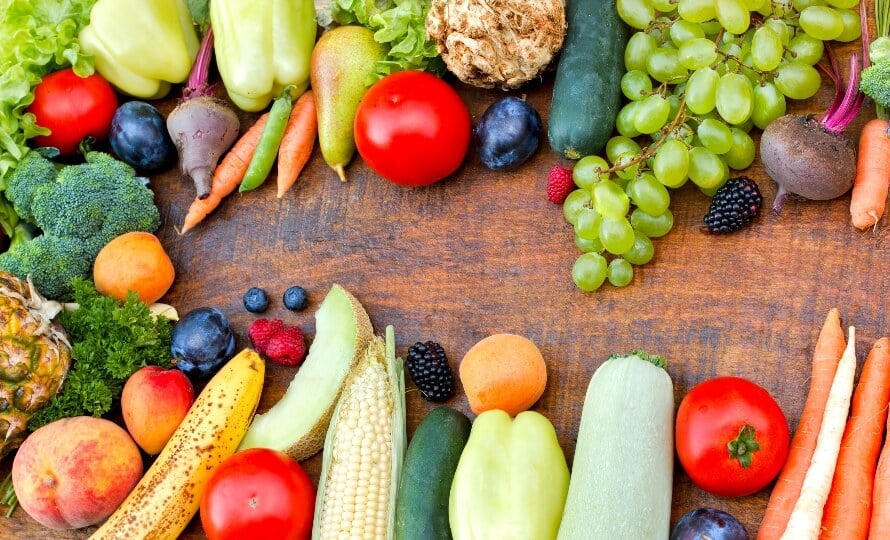
A type of carbohydrate your body can’t digest. Fiber supports digestion, heart health, and blood sugar control.
Example: “Oats are high in fiber, which can help lower cholesterol.”
Dirty Bulk
Diet vocabulary referring to a bulking phases where you create a large caloric surplus to gain weight as quickly as possible without prioritizing nutritious foods.
Example: “He went on a dirty bulk and gained weight quickly, but now he has to work harder to lose the excess fat.”
Deficiency
A lack of essential nutrients in the body, which can lead to health issues like fatigue, poor immunity, or disease.
Example: “An iron deficiency can cause anemia, leaving you feeling tired and weak.”
E
Electrolytes
Minerals like sodium, potassium, and magnesium that maintain fluid balance and muscle function.
Example: “Replenishing electrolytes after intense exercise can help support recovery and performance.”
Energy Balance
The relationship between the calories you consume and the calories you burn. A positive energy balance leads to weight gain, while a negative energy balance leads to weight loss.
Example: “To lose weight, you need to maintain a negative energy balance by eating fewer calories or exercising more.”
Essential Fatty Acids
Fats your body needs but can’t produce, like omega-3 and omega-6. They play a crucial role in brain and heart health and maintaining healthy cell membranes.
Example: “Salmon is a great source of essential fatty acids.”
F
Fat-Soluble Vitamins
Vitamins A, D, E, and K, which are stored in fat and absorbed along with dietary fat.
Example: “You need some fat in your diet to absorb fat-soluble vitamins properly.”
Fructose
A type of sugar found in fruits, honey, and some processed foods.
Example: ““Fructose is converted into glucose by the liver and then released into the blood for use.”
G
Ghrelin
A hormone produced in the stomach that stimulates hunger and increases food intake. Ghrelin levels typically rise before meals and decrease after eating.
Example: “Skipping meals can cause ghrelin levels to spike, making you feel hungrier.”
Glucose
A simple sugar that is the primary source of energy for your body. It is absorbed into the bloodstream after consuming carbohydrates.
Example: “After a workout, your body replenishes glycogen stores by using glucose from the food you eat.”
Glycemic Index (GI)
A ranking of how quickly a carbohydrate-containing food raises your blood sugar levels. Below 55 on the GI is considered low, and above 70 is considered high. Pure glucose is 100 on the GI.
Example: “Low-GI foods like lentils release energy slowly, keeping you fuller for longer.”
Glycogen
The stored form of carbohydrates in muscles and the liver, used as energy during exercise.
Example: “Eating a high-carb diet ensures your glycogen stores stay topped off.”
H

Hydration
The process of maintaining the right balance of water in your body.
Example: “Proper hydration is crucial for digestion, circulation, and temperature regulation.”
I
Insulin
A hormone produced by the pancreas that regulates blood sugar levels by helping glucose enter cells for energy or storage.
Example: “Insulin spikes after a meal to shuttle glucose into your muscles and liver for storage.”
K
Ketosis
A metabolic state where your body uses fat for energy instead of carbohydrates.
Example: “The ketogenic diet is designed to put your body into ketosis.”
L
Leptin
A hormone produced by fat cells that helps regulate energy balance by signaling to the brain when you’re full and should stop eating.
Example: “When leptin is functioning properly, it helps prevent overeating by telling your brain you’re full.”
M
Macronutrients
The three main nutrients—carbohydrates, protein, and fat—that provide calories and that you need in large amounts.
Example: “Tracking your macronutrients can help you achieve your fitness goals.”
Maintenance Calories
The number of calories you need to consume daily to maintain your current weight.
Example: “To calculate her maintenance calories, she tracked her food and weight for two weeks.”
Metabolism
The chemical processes in your body that convert food into energy.
Example: “Strength training can boost your metabolism by increasing muscle mass, which burns more calories at rest.”
Micronutrients
Vitamins and minerals needed in small amounts to support health.
Example: “Micronutrient deficiencies can cause a range of health problems.”
Mineral
Inorganic nutrients essential for various bodily functions, such as building strong bones, transmitting nerve impulses, and maintaining a healthy heart. Key examples include calcium, iron, potassium, and magnesium.
Example: “Leafy greens are rich in minerals like calcium and magnesium, which support bone health and muscle function.”
N
Nutrient
A substance that provides nourishment essential for life and growth.
Example: “Proteins are nutrients and are essential for life and growth.”
O

Oil
Fat that is in a liquid form at room temperature. Oil has a slippery feeling and does not mix well with water.
Example: “Olive oil, vegetable oil, and peanut oil are types of edible oils.”
Omega-3 Fatty Acids
Essential fats found in fish, flaxseeds, and walnuts that support heart and brain health.
Example: “Omega-3s can reduce inflammation and improve heart health.”
Omega-6 Fatty Acids
Essential fats found in foods like nuts, seeds, and vegetable oils. While beneficial in moderation, excessive omega-6 intake relative to omega-3 may negatively impact health.
Example: “Balancing omega-3 and omega-6 fatty acids is key to maintaining good health.”
P
Prebiotic
Compounds found in certain foods, such as fiber, that feed the beneficial bacteria in your gut and support a healthy digestive system.
Example: “Foods like garlic, onions, and bananas are rich in prebiotics that promote gut health.”
Probiotic
Live bacteria and yeasts that improve gut health by maintaining or restoring the balance of good bacteria in your digestive system.
Example: “Yogurt and fermented foods like kimchi are excellent sources of probiotics.”
Processed Food
Foods that have been altered from their natural state through methods like refining, adding preservatives, or fortifying with nutrients.
Example: “Processed foods like white bread and sugary cereals often have fewer nutrients than whole foods.”
Protein
A macronutrient that helps build and repair tissues, and is essential for muscle growth and immune function.
Example: “Chicken breast is a lean source of protein.”
S
Saturated Fat
A type of fat found in animal products and some plant oils that’s solid at room temperature.
Example: “Too much saturated fat can raise LDL cholesterol levels.”
Sodium
An essential mineral that helps regulate fluid balance, nerve function, and muscle contractions. Too much sodium may contribute to high blood pressure.
Example: “Processed foods are often high in sodium, so it’s important to check labels.”
Sucrose
A type of sugar composed of glucose and fructose, commonly found in table sugar and many processed foods.
Example: “Sucrose is quickly broken down into glucose and fructose, providing a fast source of energy.”
Supplement
A product taken in addition to your diet to provide nutrients you may lack or to enhance health and performance, such as protein powders or multivitamins.
Example: “He takes a protein supplement to help meet his daily protein goals.”
T
Thermic Effect of Food (TEF)
The increase in energy expenditure required to digest, absorb, and process the nutrients in the food you eat. Protein has the highest TEF, followed by carbohydrates, and then fat.
Example: “Eating a high-protein diet can slightly boost your metabolism due to the thermic effect of food.”
Trans Fat
A type of unsaturated fatty acid that’s uncommon in nature and usually created artificially. Trans fats are often found in highly processed foods like cereals, baked goods, fast food, ice cream, and frozen dinners. They increase LDL cholesterol and are linked to heart disease.
Example: “Many countries have banned trans fats due to their harmful effects on heart health.”
Triglycerides
The most common type of fat in your body. High triglyceride levels are associated with an increased risk of heart disease.
Example: “Eating fewer fried foods can help lower triglycerides.”
U
Unsaturated Fat
A type of fat that’s liquid at room temperature and found in many plant and some animal sources, including avocado, nuts, vegetable oils, and fish.
Example: “Swapping butter for olive oil increases your intake of unsaturated fats.”
V

Vitamin
Organic compounds essential for your body to function properly.
Example: “She takes a multivitamin to ensure she meets her daily vitamin requirements.”
W
Whole Food
A food that is minimally processed or unprocessed, retaining its natural form and nutritional value without added artificial ingredients or preservatives.
Example: “Eat mostly whole foods, such as fruits, vegetables, nuts, and whole grains.”
Whole Grain
Grains that contain all three parts of the seed—the bran, germ, and endosperm—making them rich in fiber, vitamins, and minerals.
Example: “Switching to whole grains like brown rice and quinoa boosts your fiber intake.”