
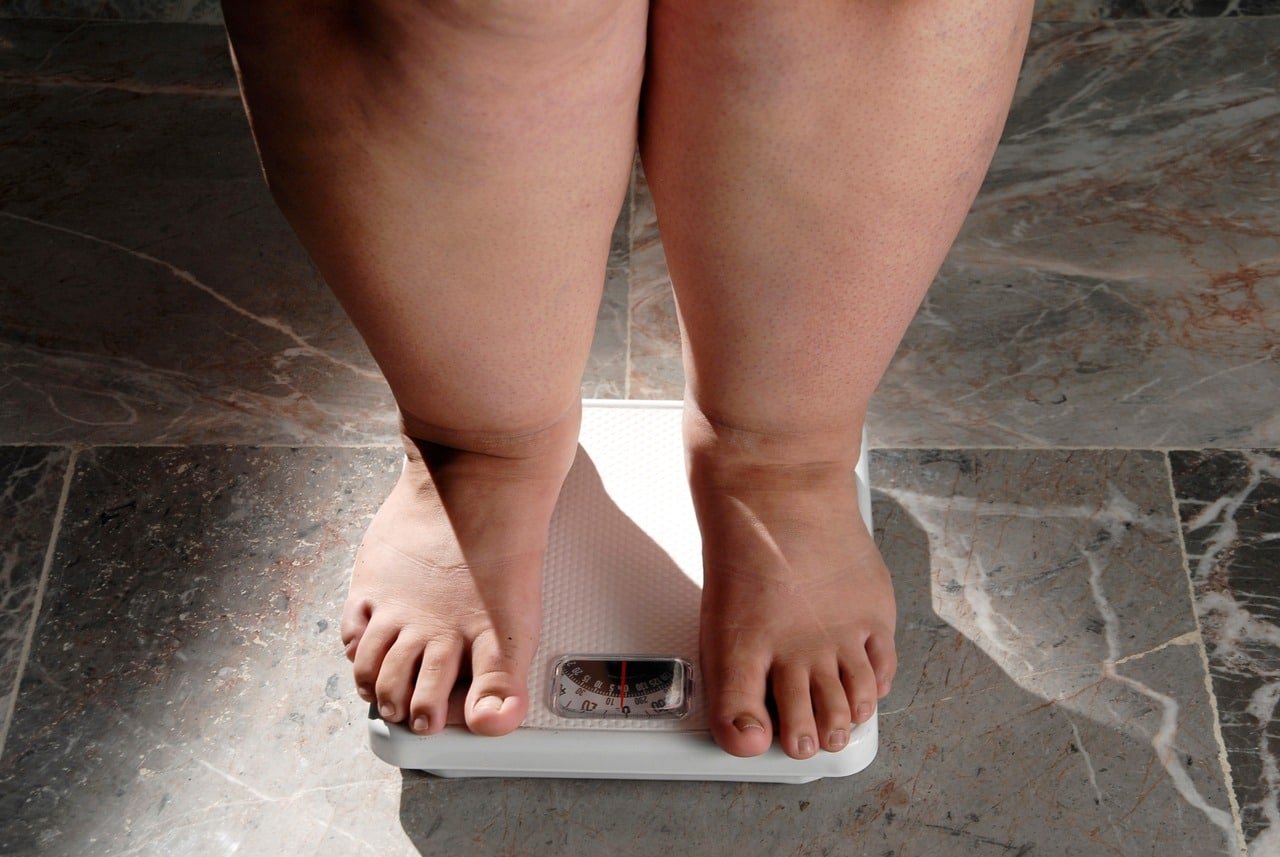
Morbid obesity is a severe medical condition characterized by excessive and unhealthy accumulation of body fat, significantly increasing the risk of serious health issues such as diabetes, heart disease, and joint problems. It is typically defined by a body mass index (BMI) of 40 or higher, indicating a high level of obesity that requires medical intervention for effective management.
Addressing morbid obesity is crucial due to its severe health implications. It significantly elevates the risk of life-threatening conditions such as heart disease, type 2 diabetes, stroke, and certain cancers. Individuals with morbid obesity often experience reduced quality of life, mobility issues, and psychological distress. Effective intervention through medical treatment, lifestyle changes, and possibly bariatric surgery can lead to improved health outcomes, enhanced well-being, and reduced healthcare burden. Prioritizing the management of morbid obesity is essential for promoting individual health and overall public health.
Morbid obesity’s global prevalence has surged, affecting millions. Its contributing factors include sedentary lifestyles, poor diets, and genetic predisposition. Its rise strains healthcare systems and demands targeted interventions for effective management, encompassing lifestyle changes, medical treatments, and surgical options.
Factors Contributing to Morbid Obesity
Morbid obesity is influenced by a complex interplay of various factors, ranging from genetics and physiological mechanisms to environmental and behavioral triggers. Some of the key factors contributing to morbid obesity include:
1. Genetics
Genetics plays a pivotal role in morbid obesity by influencing factors such as metabolic rate, fat distribution, and appetite control. Genetic variations can predispose individuals to weight gain and hinder weight loss efforts. These genetic factors interact with environmental and lifestyle influences, creating a complex interplay that contributes to the development and progression of severe obesity.
2. Dietary Patterns
Dietary patterns contribute significantly to morbid obesity. High consumption of calorie-dense, low-nutrient foods, along with excessive intake of sugars and fats, can lead to weight gain. Diets lacking in fruits, vegetables, and whole grains may also contribute. These dietary habits promote overeating, disrupt metabolic processes, and exacerbate genetic susceptibility, collectively driving the development and progression of severe obesity.
3. Metabolism
Metabolism plays a crucial role in morbid obesity. A slower basal metabolic rate in some individuals causes fewer calories to be burned at rest. This, coupled with genetic and environmental factors, leads to weight gain. Insulin resistance, common in obesity, disrupts energy regulation. Adipose tissue metabolism imbalances further contribute. These metabolic factors collectively promote excessive fat storage, making weight loss challenging and contributing to the severity of obesity.
4. Hormonal Changes
Hormonal changes significantly contribute to morbid obesity. Hormones like leptin, which regulate appetite and metabolism, can become dysregulated in obesity, leading to overeating. Insulin resistance disrupts blood sugar control and fat storage. Hormones like cortisol may promote fat accumulation, particularly in the abdominal region. Hormonal imbalances disrupt the body’s natural weight-regulating mechanisms, exacerbating weight gain and making it difficult to manage or reduce excess body fat.
Summary
Morbid obesity arises from a complex interplay of factors including genetics, metabolism, dietary habits, and hormonal changes. Genetic variations impact metabolic rate and appetite control, interacting with lifestyle factors. Poor dietary patterns, featuring high-calorie, low-nutrient foods, contribute to weight gain. Slower metabolism, insulin resistance, and hormonal imbalances further fuel fat storage. This intricate interplay culminates in severe obesity’s development and progression, hampering weight management efforts.
Health Implications of Morbid Obesity
Morbid obesity can significantly increase the risk of various chronic conditions and can lead to severe complications. Some of the health implications of morbid obesity include:
- Cardiovascular Diseases: Morbid obesity is strongly linked to an increased risk of heart disease, including conditions like hypertension (high blood pressure), coronary artery disease, heart failure, and stroke. Excess weight places strain on the heart and blood vessels, leading to cardiovascular dysfunction.
- Type 2 Diabetes: Obesity is a major risk factor for developing type 2 diabetes. The body’s resistance to insulin, a hormone that regulates blood sugar levels, is heightened in obese individuals, leading to elevated blood sugar levels and the development of diabetes.
- Respiratory Issues: Breathing difficulties, sleep apnea, and reduced lung function are common in morbidly obese individuals. Sleep apnea, characterized by interrupted breathing during sleep, can lead to daytime fatigue and increase the risk of cardiovascular problems.
- Joint Problems: Excessive weight places additional stress on joints, particularly in the hips, knees, and ankles. This can lead to conditions like osteoarthritis, causing pain, reduced mobility, and impaired quality of life.
- Gastrointestinal Disorders: Gastroesophageal reflux disease (GERD) is more prevalent in obese individuals due to increased pressure on the stomach and relaxation of the lower esophageal sphincter. This can cause acid reflux and discomfort.
- Cancer Risk: Morbid obesity is associated with an elevated risk of certain cancers, including breast, colon, liver, and kidney cancers. Chronic inflammation and hormonal imbalances in obese individuals contribute to cancer development.
- Fatty Liver Disease: Non-alcoholic fatty liver disease (NAFLD) is common in individuals with morbid obesity. It can progress to non-alcoholic steatohepatitis (NASH), a more severe condition that can lead to liver damage and cirrhosis.
- Reproductive Health Issues: Obesity can affect reproductive health in both men and women. It can lead to hormonal imbalances, menstrual irregularities, fertility problems, and complications during pregnancy.
- Psychological Impact: Morbid obesity often leads to psychological challenges such as depression, anxiety, low self-esteem, and body image issues. Social stigma and discrimination can exacerbate these mental health struggles.
- Reduced Life Expectancy: The cumulative effects of these health complications can significantly reduce life expectancy for individuals with morbid obesity.
Interventions to Reverse or Treat Morbid Obesity
1. Lifestyle changes
Adopting a healthy balanced diet is pivotal in managing morbid obesity. It curbs excessive calorie intake, aids weight loss, and improves metabolic health. Emphasizing nutrient-dense foods like fruits, vegetables, lean proteins, and whole grains satisfies nutritional needs while reducing unhealthy fat and sugar consumption. This approach, combined with portion control, promotes sustainable weight loss, enhances energy levels, and reduces obesity-related health risks.
Investing time in physical activity is crucial for managing morbid obesity. Regular exercise boosts metabolism, burns calories, and promotes weight loss. It improves cardiovascular health, enhances insulin sensitivity, and aids in muscle development, contributing to an overall healthier body composition. Additionally, physical activity reduces the risk of obesity-related complications, boosts mood, and increases self-confidence, leading to improved quality of life.
2. Medical Treatments
- Pharmacological Effectiveness
Pharmacological treatments play a supportive role in managing morbid obesity. They aid weight loss by suppressing appetite, altering nutrient absorption, or affecting metabolism. These medications are typically used alongside lifestyle changes and should be prescribed and monitored by healthcare professionals. While not a standalone solution, they can provide an extra tool to address obesity and improve health outcomes in certain cases.
Behavioral therapy is valuable in addressing morbid obesity by addressing underlying psychological factors. It helps individuals develop healthier eating habits, manage emotional triggers for overeating, and improve self-control. Through counseling and cognitive techniques, it encourages positive lifestyle changes, boosts adherence to dietary and exercise plans, and enhances long-term weight management success. It addresses the emotional aspects of obesity, fostering a sustainable transformation towards better health.
3. Surgical Treatment
Bariatric surgery offers a transformative solution for morbid obesity. It involves procedures like gastric bypass or sleeve gastrectomy that restrict food intake and alter digestion. This leads to significant weight loss and improvement in obesity-related health conditions, such as diabetes and hypertension. Surgery often serves as a catalyst for lifestyle changes, fostering long-term weight control and enhancing overall well-being in those who qualify for it.
Summary
Managing morbid obesity involves vital lifestyle changes. A balanced diet curbs excess calories, aids weight loss, and boosts metabolic health by focusing on nutrient-dense foods and portion control. Physical activity is crucial, enhancing metabolism, weight loss, and cardiovascular health. Pharmacological treatments support weight loss, while behavioral therapy addresses psychological factors and encourages positive habits. Bariatric surgery offers transformative results, restricting food intake, and improving health conditions. These combined approaches foster sustained weight management and enhance overall well-being for those with morbid obesity.
HealthifyMe Suggestion
Severe obesity is not a disease, but it does increase the risk of a wide range of health problems. Severe obesity is usually reversible. Morbidly obese people should avoid “fad” diets and instead focus on improving eating habits such as eating more fruits and vegetables, eating smaller meals, tracking calories, eating mindfully, and reducing saturated fats, trans fats, and refined sugars. Physical activity is good for overall health and is especially important if you’re trying to lose weight.
Conclusion
The gravity of morbid obesity cannot be overstated. It poses a substantial global health challenge, leading to a cascade of severe health complications. From cardiovascular diseases and diabetes to reduced life expectancy and impaired quality of life, its impact is pervasive. Straining healthcare systems and economies, it demands urgent attention. Addressing morbid obesity requires comprehensive strategies that encompass lifestyle changes, medical interventions, policy shifts, and increased public awareness. Failure to tackle this issue perpetuates a significant threat to individual well-being and public health.
Disclaimer: The purpose of this article is just to disperse knowledge and raise awareness. It does not intend to replace medical advice from professionals. For further information please contact our certified nutritionists Here
Frequently Asked Questions (FAQs)
What is morbid obesity?
Morbid obesity is an extreme form of obesity characterized by a significantly high body mass index (BMI) of 40 or more. It poses serious health risks due to excess body fat and is associated with various medical complications.
How is morbid obesity different from other forms of obesity?
Morbid obesity is distinguished by its severe level of obesity, often resulting in more profound health risks and complications compared to less extreme forms of obesity.
What are the criteria used to define morbid obesity?
Morbid obesity is defined by having a BMI of 40 or above, which is substantially higher than the thresholds for regular obesity.
What causes morbid obesity?
Morbid obesity is caused by a combination of genetic, environmental, and lifestyle factors, including genetics, diet, physical activity, and hormonal imbalances.
Can genetics play a role in morbid obesity?
Yes, genetics can contribute to morbid obesity by influencing factors such as metabolism, fat storage, and appetite regulation.
Are there any health risks associated with morbid obesity?
Yes, morbid obesity increases the risk of numerous health conditions, including heart disease, diabetes, sleep apnea, joint issues, and certain cancers.
How is morbid obesity diagnosed?
Diagnosis involves assessing BMI, medical history, physical examination, and evaluating obesity-related health complications.
Can morbid obesity be linked to other medical conditions?
Yes, morbid obesity is often linked to a range of medical conditions, including cardiovascular disease, type 2 diabetes, and respiratory problems.
Is morbid obesity reversible through lifestyle changes?
Yes, significant weight loss through lifestyle changes like diet and exercise can help manage morbid obesity and reduce associated health risks.
What are some common treatment options for morbid obesity?
Treatment options include lifestyle changes, medications, behavioral therapy, and bariatric surgery.
Can bariatric surgery be considered as a treatment for morbid obesity?
Yes, bariatric surgery is a viable treatment option for severe obesity and can lead to substantial weight loss and improved health outcomes.
How does morbid obesity impact a person’s quality of life?
Morbid obesity can affect physical mobility, self-esteem, mental health, and overall quality of life due to health challenges and social stigma.
Are there support groups or resources available for individuals with morbid obesity?
Yes, support groups, healthcare providers, and resources provide guidance, education, and emotional support for individuals with morbid obesity.
Can morbid obesity affect mental health and emotional well-being?
Yes, the challenges and societal perceptions of morbid obesity can impact mental health, leading to depression, anxiety, and low self-esteem.
Research Sources
- The comparison of morbid obesity quality of life and body image between surgery and other treatments: A case–control study
- The Impact of Morbid Obesity on the Health Outcomes of Hospital Inpatients: An Observational Study
- Endocrine and Electrolyte Disorders
- Projected U.S. State-Level Prevalence of Adult Obesity and Severe Obesity
- Personalised Medicine for Morbid Obesity