
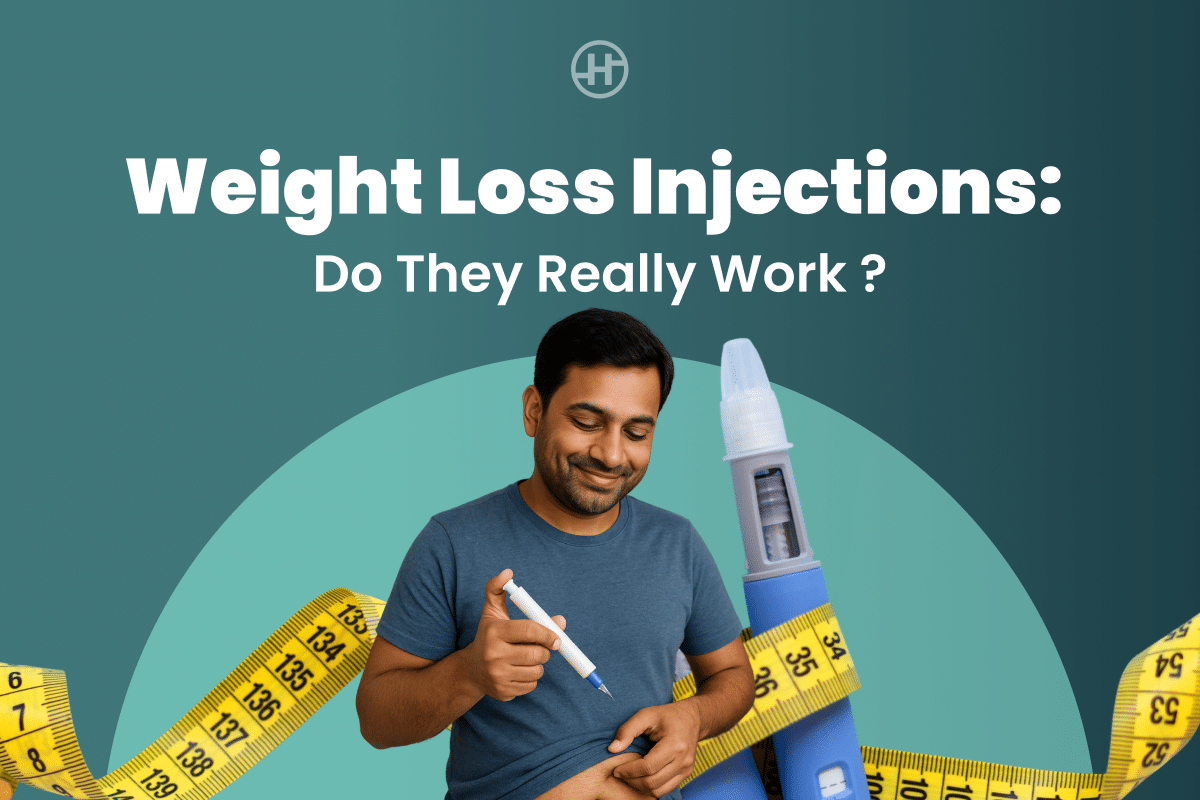
Weight loss is no longer just about willpower, diet charts, and gym memberships. With advances in science and the growing demand for medically supervised weight loss solutions, a new player has entered the conversation. It is the weight loss injections. Once used quietly in clinical settings, these injections are now being widely talked about, from doctors’ offices to celebrity interviews and social media reels. With so many names and terms floating around (GLP-1 agonists, weight loss shots, INJ for weight loss), what does it all really mean?
Weight loss injections, also known as weight loss medication injections, are primarily designed to help individuals with obesity or overweight manage their weight more effectively. They are not quick fixes or magic potions. Instead, they work by targeting hormonal pathways that regulate hunger, satiety, blood sugar levels, and digestion. Their rising popularity is a sign of how weight management is shifting from stigma to science. But is this method right for you? Let us break it down.
What are Weight Loss Injections?
Weight loss injections are medications delivered via subcutaneous injection (just under the skin) to assist in reducing body weight in people with obesity or overweight. These medications influence the body’s metabolic and appetite-regulating systems.
Most of these injections fall under a category known as GLP-1 receptor agonists. These are synthetic versions of a naturally occurring gut hormone, glucagon-like peptide-1 (GLP-1). GLP-1 plays a key role in glucose regulation and appetite suppression. Some of the commonly known GLP-1 injections are:
- Semaglutide (marketed as Ozempic and Wegovy)
- Liraglutide (Saxenda and Victoza)
- Tirzepatide (Mounjaro, which also mimics GIP—another hormone)
These drugs are FDA-approved for certain groups of people and have shown effectiveness when combined with lifestyle changes such as improved diet and physical activity.
Understanding Weight Loss Medications
To understand how weight loss injections work, it is important to look at the medications themselves. These injections are typically recommended for individuals with:
- A Body Mass Index (BMI) of 30 or more
- A BMI of 27 or more with comorbidities like Type 2 diabetes or hypertension
The injections mimic hormones that your body naturally produces to manage hunger and insulin response. They increase insulin secretion, slow gastric emptying (which makes you feel full for longer), and reduce the urge to eat.
The primary mechanisms include:
- Appetite Regulation: These injections help curb cravings by acting on areas of the brain responsible for hunger and satiety.
- Insulin Secretion and Sensitivity: They boost insulin release in a glucose-dependent manner, making them safer for individuals with insulin resistance.
- Gastric Emptying Delay: By slowing down how quickly food leaves the stomach, they make you feel full for longer.
- Weight Loss Facilitation: All the above lead to a natural reduction in calorie intake without extreme dieting.
Types of Weight Loss Injections
Weight loss injections come in various forms, targeting different mechanisms in the body to support fat loss, appetite control, or metabolism regulation. These injectables have gained popularity due to their effectiveness and ease of administration, ranging from once-daily to once-weekly dosing.
Depending on the drug and your health profile, your healthcare provider might suggest one over another. Each type has unique benefits and some differences in how they function, how frequently they are taken, and their FDA-approved indications. Let us explore the main types:
- Wegovy (semaglutide): Approved specifically for weight loss; taken once a week.
- Ozempic (semaglutide): Originally for Type 2 diabetes; used off-label for weight loss.
- Saxenda (liraglutide): Approved for both adolescents and adults; taken once daily.
- Mounjaro (tirzepatide): Dual GLP-1 and GIP receptor agonist; effective in both glucose control and weight reduction.
While all these medications fall under the broader term “injection for weight loss,” they differ slightly in dosage, mechanism, and target audience.
How Do Weight Loss Injections Work?
Weight loss injections use hormones or compounds that target appetite regulation, digestion, metabolism, and glucose absorption. Each injectable works differently, but the following mechanisms are the most commonly seen:
1. Appetite Suppression
Many weight loss injections mimic hormones like GLP-1 that influence satiety centers in the brain. By activating GLP-1 receptors in the hypothalamus, these drugs send signals that make the individual feel full sooner and for longer durations. It leads to a natural reduction in calorie intake without the need for conscious calorie restriction. People on medications like semaglutide often report reduced cravings and better portion control.
2. Slowing Gastric Emptying
Injectables like liraglutide and semaglutide slow down how fast the stomach empties food into the intestines. When digestion is delayed, the body takes longer to absorb nutrients, which helps maintain a sense of fullness. This mechanism also blunts post-meal spikes in blood glucose, making it beneficial for individuals with type 2 diabetes.
3. Enhancing Insulin Secretion and Reducing Glucagon
Incretin-based therapies stimulate insulin secretion when blood sugar is high and suppress glucagon, a hormone that raises blood glucose. This balance improves overall metabolic efficiency and supports weight loss by reducing unnecessary glucose production and storage as fat.
4. Modifying Gut-Brain Signals
Some of these injections affect the gut-brain axis, a communication system between the digestive system and the brain. By altering this signaling, they modulate hunger, reward, and satiety. Hence, it reduces the drive to eat frequently or in large amounts. Over time, this results in behavioral changes around food choices and meal timing.
5. Increasing Energy Expenditure
Though less common, some experimental injectables aim to increase the resting metabolic rate or stimulate brown fat activity. These options promote the body to burn more calories at rest. These options are still under research and not widely used in clinical settings yet.
Research shows that, when combined with lifestyle changes, GLP-1 medications can lead to an average body weight reduction of 10% to 20% over 6–12 months.
Who Can Consider Weight Loss Shots?
These medications are not for everyone. Here is a checklist that typically qualifies someone for prescription-based weight loss injections:
- BMI >30, or BMI >27 with coexisting conditions
- Failure to achieve significant weight loss through diet and exercise alone
- No history of certain conditions like thyroid cancer, pancreatitis, or severe gastrointestinal issues
- Willingness to commit to long-term use and lifestyle modification
Please Note: A complete medical evaluation is necessary before beginning the treatment. You can only administer these weight loss injections under expert supervision.
Benefits of Weight Loss Injections
Weight loss injections offer a range of benefits, particularly for individuals who struggle to lose weight through diet and exercise alone. While results may vary, the following are some of the most notable advantages:
1. Substantial and Sustained Weight Loss
Clinical trials have shown that patients using GLP-1 receptor agonists such as semaglutide and tirzepatide can achieve 10% to 20% weight loss over a year or more. This level of reduction can significantly lower the risk of chronic diseases and improve physical mobility, energy, and overall well-being.
2. Improved Blood Sugar Control
Injectable medications used for weight loss were initially developed for managing type 2 diabetes. As a result, they improve blood glucose control by stimulating insulin release and decreasing glucagon. People with insulin resistance or prediabetes often benefit from better glycemic regulation with these treatments.
3. Reduced Risk of Cardiovascular Disease
Weight loss injections contribute to a reduction in cardiovascular risk factors, such as high blood pressure, cholesterol levels, and inflammation. Some studies also show decreased rates of heart attack and stroke in patients on medications like semaglutide.
4. Appetite and Craving Management
These injections significantly reduce cravings for high-calorie foods, improve portion control, and enhance the sense of satiety. That makes it easier for individuals to adhere to dietary changes, ultimately supporting long-term weight loss and maintenance.
5. Non-Surgical Option
Unlike bariatric surgery, weight loss injections offer a non-invasive alternative without permanent changes to the digestive system. That makes them a preferred choice for individuals who are hesitant or ineligible for surgery.
6. Additional Metabolic Benefits
Beyond weight loss and glucose control, GLP-1 medications can also help reduce liver fat (beneficial for patients with NAFLD), improve fertility in women with PCOS, and enhance the quality of sleep in patients with sleep apnea.
They also reduce the risk of developing chronic conditions linked to obesity, including Type 2 diabetes and cardiovascular disorders.
Side Effects and Safety Considerations
Like any medication, weight loss shots come with potential side effects. The most common include:
- Nausea
- Vomiting
- Diarrhea or constipation
- Headache
- Dizziness
In rare cases, they may lead to:
- Pancreatitis
- Gallbladder problems
- Thyroid tumors (especially with long-term use)
These risks make continuous medical supervision essential. People with certain pre-existing conditions should avoid these injections.
How Are These Injections Administered?
The injections are typically given subcutaneously (under the skin) in the abdomen, upper arm, or thigh. Depending on the drug, the frequency varies:
- Semaglutide (Wegovy, Ozempic): Once weekly
- Liraglutide (Saxenda): Once daily
- Tirzepatide (Mounjaro): Once weekly
A trained medical professional usually provides guidance during the first few doses, and then many users self-administer the injections at home.
Are These Injections Enough on Their Own?
The short answer is: No.
While weight loss injections can significantly help reduce weight, they are not a standalone solution. They are most effective when combined with a structured nutrition plan, physical activity, behavioral therapy, and a long-term commitment to health.
That is where HealthifyMe’s GLP-1 + Coach Plan makes a difference. By pairing FDA-approved GLP-1 weight loss medications with expert support in diet, fitness, and medical care, the program offers a holistic approach to sustainable weight management.
Myths Around Weight Loss Injections
As weight loss injections gain visibility, especially in mainstream media and celebrity culture, myths and misconceptions are also on the rise. Let us bust some of the most common ones:
Myth: Weight Loss Injections Are for Everyone
Not everyone is a candidate for weight loss injections. These medications are typically prescribed to individuals with a BMI over 30 or those with a BMI over 27 who have weight-related health issues such as type 2 diabetes, high blood pressure, or sleep apnea. They are not suitable for people with a healthy BMI who want to shed a few vanity pounds.
Myth: The More You Take, the Faster You Lose Weight
These medications are titrated carefully to minimize side effects and maximize results. Increasing the dose beyond the prescribed range can lead to severe side effects such as pancreatitis, thyroid issues, or extreme gastrointestinal distress. Medical supervision is essential for safe and effective results.
Myth: You Can Stop the Injections After You Lose Weight
Weight loss injections are often part of a long-term management plan. Many people regain the lost weight if they stop the medication without establishing consistent lifestyle habits. Like hypertension or diabetes, obesity is a chronic condition that needs ongoing management.
Myth: You Can Buy Generic Versions Online Without a Prescription
Unregulated versions of GLP-1 medications sold online or at certain compound pharmacies may not meet safety standards. These formulations might be diluted, contaminated, or contain undisclosed ingredients. One should only trust FDA-approved medications prescribed by qualified healthcare professionals.
Myth: Weight Loss Injections Work Without Diet or Exercise
While injections do suppress appetite and improve insulin function, they are most effective when paired with healthy eating and physical activity. Sustainable results depend on adopting holistic lifestyle changes, not just medication use.
Myth: All Weight Loss Injections Are the Same
Different injectables work via different mechanisms. For instance, semaglutide targets GLP-1 receptors, while tirzepatide works on both GLP-1 and GIP receptors. Understanding the specific mechanism, approved use, and dosing schedule is essential before choosing a treatment.
These clarifications ensure that individuals make informed, science-backed decisions rather than getting swayed by misinformation or marketing trends.
HealthifyMe Note
As Health Coaches, we often see the excitement around weight loss injections, and rightly so. They are grounded in solid science and can change lives. But let us be clear: these medications are tools, not shortcuts. When used without understanding the body’s nutritional needs or without the support of a sustainable lifestyle, the results may be short-lived. That is why combining expert-led coaching with medical support is key. Your weight loss journey should feel empowering, not restrictive. With mindfulness, movement, and medically guided tools, change becomes not only possible but lasting.
The Final Word
Weight loss injections have transformed how the world views medical weight management. No longer reserved for only a select few, they offer a legitimate pathway for individuals struggling with obesity and metabolic issues. The science is clear: they work. However, their effectiveness multiplies when used under the right supervision.
As this shift continues, it is essential to stay informed, cautious, and optimistic. These injections are not magic bullets, but when used wisely, they can pave the way for a healthier life. And when paired with expert guidance, the results are not just visible on the scale; they are felt in every part of life.
The GLP-1 + Healthify Coach Plan exemplifies this synergy. It combines clinically backed medication with one-on-one support in nutrition, fitness, and medical care to deliver a complete experience. More than medication, it is transformation with a team by your side.
Frequently Asked Questions (FAQs)
Q: Are weight loss injections safe?
A: Weight loss injections are generally safe when prescribed by a licensed medical professional. However, like all medications, they come with potential side effects such as nausea, bloating, or headaches. A detailed medical evaluation is necessary to ensure suitability.
Q: How long do I need to take weight loss injections?
A: There is no one-size-fits-all answer. Most people require injections for several months to over a year. The duration depends on how the body responds and whether you can manage weight maintenance without the drug.
Q: Will I regain weight after stopping the injections?
A: Weight regain is common if lifestyle changes are not maintained. That is why it is important to follow a diet and exercise regimen alongside any medication plan.
Q: Are weight loss injections only for people with diabetes?
A: No. Some medications, like Ozempic, are used for diabetes and prescribed off-label for weight loss. Others, like Wegovy and Saxenda, are specifically FDA-approved for weight loss.
Q: Do these injections work for everyone?
A: Not always. While most people see some weight loss, the effectiveness varies. If there is no meaningful progress after a few months, doctors may reconsider the plan.
Q: How do I know which weight loss injection is right for me?
A: A healthcare provider will assess your medical history, BMI, and lifestyle before recommending the most suitable option. Regular monitoring will also help determine if adjustments are needed.
Q: Can I buy these injections without a prescription?
A: No. These are prescription-only medications. Buying from unverified sources or compounding pharmacies can be unsafe. Always consult a certified medical professional for access and guidance.
Research Sources
1. FDA Approves New Drug Treatment for Chronic Weight Management, First Since 2014
3. Liraglutide for weight management: a critical review of the evidence
5. What Should I Know About Injectable Weight-Loss Medications?
6. Obesity Treatment with Botulinum Toxin-A Is Not Effective: a Systematic Review and Meta-Analysis
8. Wegovy (semaglutide): a new weight loss drug for chronic weight management
10. The Upcoming Weekly Tides (Semaglutide vs. Tirzepatide) against Obesity: STEP or SURPASS?