
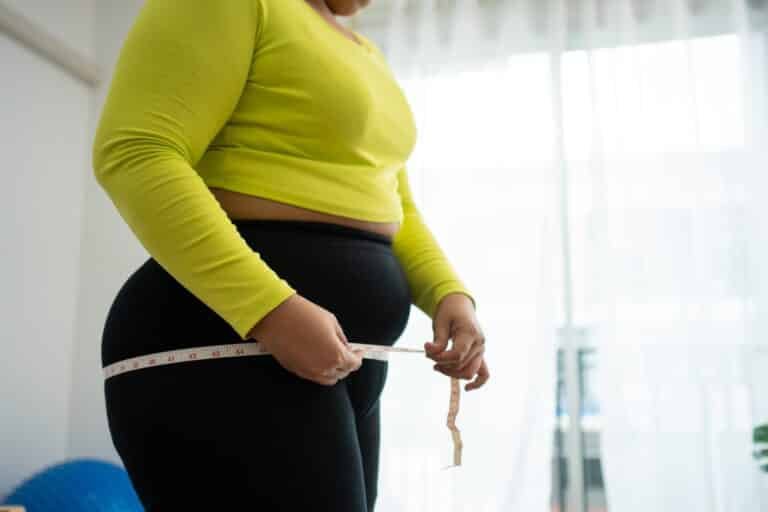
When it comes to losing weight, there is plenty of confusion about how fat actually leaves the body. Most of us have probably heard people say things like, “you sweat it out,” or “you pee it out”. Sometimes, people even ask questions like, “do you poop out fat when losing weight?”. With so much misinformation floating around, it can be challenging to know where does fat go when you lose weight.
Interestingly, the truth about fat loss is not as apparent as you would think. Let us clear these common myths and provide a scientifically accurate breakdown.
This article will help you understand exactly where fat goes when you lose weight, how does body fat leave the body, and what is actually happening inside your body during this process.
What is Fat? Understanding the Basics
Fat, scientifically known as adipose tissue, is essential for your body. It helps the body with critical functions. Fat provides energy storage, insulation, and protection for internal organs. When your body takes in more calories than it uses, it converts the excess into triglycerides. These triglycerides are stored in specialized fat cells called adipocytes.
There are two primary kinds of fat: white fat and brown fat. White fat is the most common type found in adults. It is primarily stored under your skin and around your organs. White fat cells contain a single, large fat droplet and mainly serve to store energy. Too much white fat, especially around your abdomen (visceral fat), increases the risk of health issues like heart disease, diabetes, and metabolic syndrome.
Brown fat, on the other hand, is different. It burns calories to generate heat and regulate body temperature. It contains multiple, smaller droplets of fat and a high number of mitochondria. Mitochondria is the powerhouse of cells that produces energy. This type of fat is essential for newborns and is found in smaller amounts in adults.
How Does Fat Loss Work?
Fat loss occurs when your body uses more calories than it takes in. It creates a calorie deficit, which forces your body to find energy elsewhere. Your body responds by breaking down stored triglycerides (fats) into simpler molecules that cells can use for energy. When you maintain this calorie deficit consistently, fat stores diminish, resulting in weight loss.
But where does the fat go when you lose weight? As your body converts stored fat into energy, triglycerides are chemically broken down into carbon dioxide, water, and energy. Surprisingly, most fat goes out as carbon dioxide through your breath. The remainder leaves your body as water in sweat, urine, and other bodily fluids. So if you have wondered, “Do you pee out fat?” the answer is, ‘Not exactly.’ Fat does not come out directly as fat through urine, but it exits indirectly after it is broken down into water and carbon dioxide.
The misconception, “can you poop out fat?”, likely arises because people notice changes in their bowel movements during weight loss. However, fat itself is not directly excreted through feces in significant amounts. Instead, stool contains mostly undigested food, fiber, and bacteria. Thus, the straightforward answer to the question “do you poop out fat when losing weight?” is mostly no, at least not in meaningful quantities. Instead, your lungs play a surprisingly significant role in exhaling the majority of lost fat.
Keys to Effective Fat Loss
Diet and exercise are crucial components for effectively losing fat. Simply put, to lose fat, you need to maintain a calorie deficit consistently. It means consuming fewer calories than your body expends daily. Dietary choices significantly impact how quickly and healthily you can achieve this deficit. Opting for nutrient-rich, whole foods, such as vegetables, lean proteins, whole grains, and healthy fats, can help sustain this deficit without feeling overly hungry or deprived.
Exercise significantly enhances the fat loss process. Physical activity, especially when combined with dietary adjustments, boosts your metabolism and increases the rate at which your body converts stored fat into usable energy. Exercise also preserves muscle mass and ensures your metabolism stays efficient. Incorporating both aerobic exercise (like walking, cycling, or swimming) and resistance training (such as weightlifting or bodyweight exercises) provides the most effective strategy for lasting fat loss.
For optimal results, experts recommend about 150–250 minutes of moderate-intensity exercise per week. A mix of cardiovascular and resistance exercises supports healthy fat loss, prevents muscle loss, and improves overall body composition. Adopting this balanced approach makes your weight-loss journey sustainable and healthy, rather than relying on extreme methods.
When You Lose Weight, Where Does It Go?
Losing weight feels great, but many people wonder: where does weight go when you lose it? It might surprise you, but fat does not simply vanish into thin air. Your body converts stored fat into usable energy through complex chemical reactions. This metabolic process generates two main waste products: carbon dioxide and water. Your body then removes these byproducts naturally through breathing, sweating, and urination.
Breathing It Out (Carbon Dioxide)
Most of the fat you lose leaves your body when you exhale. When fat breaks down, it converts into carbon dioxide (CO₂). Your bloodstream transports this CO₂ to your lungs, where you exhale it. In fact, studies suggest that around 84% of the fat you lose exits your body as CO₂ through your breath. That is why your breathing becomes heavier during exercise. It means your body is actively removing the excess fat you have converted to energy.
Sweating and Urination (Water)
The remaining portion of fat loss (around 16%) leaves your body as water. This water is expelled in various ways. Sweat, urine, and even tears help eliminate this byproduct. If you have noticed increased urination or sweating while dieting or exercising, your body is likely processing fat loss efficiently. Although you cannot pee out fat directly, the water generated from burning fat does exit your body through urine.
What About Poop?
A common misconception is that fat leaves the body through bowel movements. While your digestive system does remove food waste, fat loss itself has no direct connection to pooping. You may notice changes in digestion due to dietary shifts, but the primary routes of fat loss remain your breath, sweat, and urine.
Which Areas of the Body Do You Lose Fat from First?
When you begin losing weight, it is natural to wonder where you will see changes first. Unfortunately, your body determines fat loss distribution based on genetics, age, gender, and hormones. Spot reduction or the idea of losing fat specifically from areas like your belly or thighs is not practical because your body pulls stored fat from all over.
Generally, men might notice fat loss from the abdominal area first, while women often experience initial weight loss in areas like the face, arms, and upper body. Over time, consistent exercise and a calorie deficit will eventually lead to overall fat loss. Incorporating strength training can speed up fat loss by increasing muscle mass, thus boosting your metabolic rate.
The Timeline of Fat Loss
Fat loss doesn’t happen overnight. Realistic and sustainable weight loss typically occurs at a steady pace, which is about 1-2 pounds per week. Rapid weight loss might seem appealing, but it can lead to muscle loss, nutritional deficiencies, and fatigue. Your starting weight, age, gender, and lifestyle play significant roles in how quickly you notice changes.
Research shows that losing 5-10% of your body weight within six months is realistic with consistent diet and exercise. Gradual, steady weight loss helps you avoid health complications and prevents weight regain later. Everyone’s timeline will differ slightly, but patience and consistency yield lasting results.
Remember, fat loss is not just about reaching a number on the scale. It is about creating healthy habits that maintain your progress long-term. Consulting healthcare professionals can help create a personalized plan to achieve your specific goals safely and effectively.
HealthifyMe Note
Losing fat is not just about numbers or physical appearance; it is a holistic journey. Many people become fixated on the scale and overlook the significance of internal health and overall wellness. From an expert’s perspective, it is vital to respect your body’s natural rhythms. Trust the process and understand how your body responds to different foods and exercise patterns. True success in weight loss involves mindfulness, balance, and consistent self-care. When you treat weight loss as a partnership with your body rather than a battle, the process becomes enjoyable, sustainable, and deeply rewarding.
The Final Word
Losing weight involves understanding what happens not just externally but internally, too. You now know exactly where the fat goes when you lose weight: primarily out through your breath and partly through water loss. The journey is not always linear or predictable, but staying informed empowers you to make smarter choices.
Remember, every small effort counts toward your overall wellness. Embrace patience, enjoy the journey, and remain committed to balanced nutrition and regular physical activity. HealthifyMe’s personalized health plans can further support your efforts by providing tailored guidance and tracking tools that make the journey simpler and more effective.
Frequently Asked Questions (FAQs)
Q: Can you pee out fat?
A: You don’t directly pee out fat, but your body breaks fat down into carbon dioxide and water. The water portion does leave your body through urine, sweat, and other bodily fluids. So, increased urination can indicate efficient fat burning, but actual fat molecules don’t exit directly in urine.
Q: Where does the fat go when you lose weight?
A: Most fat loss (around 84%) leaves your body through your breath as carbon dioxide. The remaining portion converts into water and exits through sweat, urine, and other bodily fluids. Fat does not simply vanish or turn into muscle directly; it undergoes metabolic processing first.
Q: Does losing weight make you poop more?
A: Changes in diet, increased fiber intake, and hydration can alter your bowel movements when losing weight, but you don’t actually poop out fat itself. Weight loss affects digestion indirectly through dietary changes rather than by directly expelling fat through feces.
Q: Why does breath rate increase during exercise for fat loss?
A: Your breathing rate increases during exercise because your body converts fat into energy. It produces carbon dioxide as a waste product. Faster breathing allows your body to efficiently expel this carbon dioxide, supporting continuous energy conversion and fat burning.
Q: Can I target where I lose fat first?
A: Unfortunately, you cannot specifically target areas for fat loss. Your genetics, hormones, age, and gender determine where fat loss occurs first. A consistent calorie deficit and regular exercise eventually reduce fat all over your body.
Q: Is rapid weight loss safe?
A: Rapid weight loss can lead to muscle loss, nutritional deficiencies, fatigue, and other health concerns. Healthy and sustainable weight loss usually occurs gradually through a balanced diet and regular physical activity. Aim to lose about 1-2 pounds per week.
Q: How can I boost my metabolism to lose fat faster?
A: Increasing muscle mass through strength training boosts metabolism. Muscle tissue burns more calories at rest than fat. Regular cardiovascular exercises combined with strength training and adequate protein intake support faster metabolism and effective fat loss.
Research Sources
1. When somebody loses weight, where does the fat go?
2. Subcutaneous adipose tissue & visceral adipose tissue
3. Triglycerides and risk of hemorrhagic stroke vs. ischemic vascular events: The Three-City Study
4. Brown and beige fat in humans: thermogenic adipocytes that control energy and glucose homeostasis
5. “Calories in, calories out” and macronutrient intake: the hope, hype, and science of calories
7. The Role of Exercise and Physical Activity in Weight Loss and Maintenance