
Close Menu
  • Lifestyle
  • Diet & Nutrition
  • Weight Loss
  • Health & Wellness
  • Self Improvements
  • Fitness
  • Mental health

Subscribe to Updates

Get the latest creative news from FooBar about art, design and business.

What's Hot

Low-Level Laser Therapy After A Transplant: Hype vs. Reality

June 26, 2026

The Silent Relationship Affecting Your Wellbeing

June 24, 2026

7 Signs You Need Physical Therapy (And How To Find the Right Provider)

June 23, 2026
Facebook X (Twitter) Instagram
Explode Fitness
Friday, June 26
  • Lifestyle

    How Long Does it Take for Creatine to Work?

    July 22, 2025

    Are Ultra-Processed Foods Really Unhealthy?

    July 21, 2025

    The Best Vegan Protein Shakes – Reviewed by a Dietitian

    July 21, 2025

    What’s the Difference Between Thermopro Burn, Thermopro Burn Ultra and Hunger Killa?

    July 20, 2025

    Best Supplements for Brain Health, Focus and Memory

    July 20, 2025
  • Diet & Nutrition

    5 Health Benefits of Peaches

    June 19, 2026

    How Fiber Can Support PMS Symptoms

    June 15, 2026

    Protein Sodas are the Latest Trend-But Are They Worth the Hype?

    May 8, 2026

    High-Protein Breakfasts for Women Who Are Sick of Eggs

    April 24, 2026

    7 Foods to Eat In the Morning For Maximum Energy

    April 10, 2026
  • Weight Loss

    7 Everyday Foods That Shrink Hanging Belly Fat Fast

    May 9, 2026

    7 Best Costco Foods to Buy for Weight Loss Right Now

    May 1, 2026

    9 Costco Bulk Foods Dietitians Swear By for Weight Loss

    April 1, 2026

    3 Rules to Lose Weight, According to a Dietitian

    February 6, 2026

    5 Dietitian-Approved Snacks for Weight Loss

    February 5, 2026
  • Health & Wellness

    Low-Level Laser Therapy After A Transplant: Hype vs. Reality

    June 26, 2026

    The Silent Relationship Affecting Your Wellbeing

    June 24, 2026

    7 Signs You Need Physical Therapy (And How To Find the Right Provider)

    June 23, 2026

    The Hidden Hormone Controlling Your Energy, Mood, And Recovery

    June 22, 2026

    Which Option Suits Your Relationship Best?

    June 19, 2026
  • Self Improvements

    How Men & Women Differ

    June 15, 2026

    130 Happy Anniversary Quotes, Wishes and Messages for Couples and Cards

    May 29, 2026

    The Brutal Truth About Entrepreneurship with ADHD

    May 29, 2026

    Hilarious Humor for a Great End to the Summer

    May 28, 2026

    Short, Positive and Inspirational Sayings

    May 26, 2026
  • Mental health

    People Need People – Positive Mindset

    June 18, 2026

    130 Inspirational Workplace Quotes for a Boost of Energy, Motivation and Positive Vibes

    May 25, 2026

    Heartfelt, Proud and Grateful Sayings

    May 19, 2026

    Maybe nobody feels fully ready for motherhood

    May 12, 2026

    110 Best Happy Father’s Day Quotes, Sayings and Wishes to Show Your Love

    May 11, 2026
Explode Fitness
Home»Health & Wellness»Low-Level Laser Therapy After A Transplant: Hype vs. Reality
Health & Wellness

Low-Level Laser Therapy After A Transplant: Hype vs. Reality

June 26, 2026No Comments4 Mins Read
Share
Facebook Twitter Reddit Telegram Pinterest Email

After a hair transplant, most people want to do everything possible to protect the result. That is understandable. Surgery takes time, money, patience, and a lot of emotional energy. So when low-level laser therapy, also called LLLT or red light therapy, is suggested after a transplant, it can sound like the missing piece.

But is it genuinely useful or just another wellness trend? The answer is somewhere in the middle. LLLT may support hair growth in selected people, especially those with pattern hair loss, but it should be viewed as an adjunct rather than a guarantee.

What is LLLT?

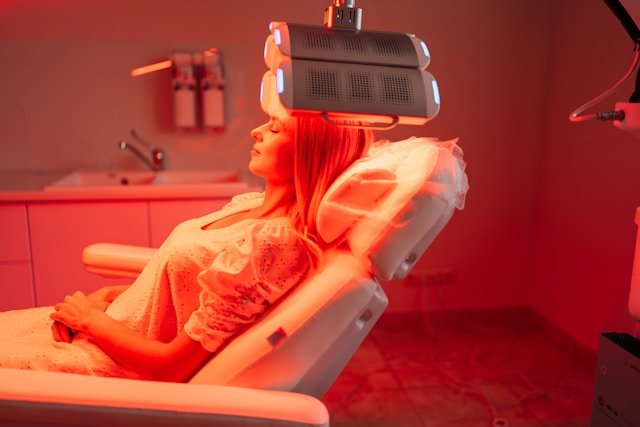
Low-level laser therapy uses red or near-infrared light delivered through devices such as caps, helmets, combs, or in-clinic systems. The idea is that light energy may influence cellular activity around hair follicles and help support the hair growth cycle. It is non-invasive and usually painless.

In hair care, LLLT is most often discussed for androgenetic alopecia, or pattern hair loss. Some people use it before surgery to support existing hair. Others use it after surgery as part of a wider maintenance plan. The important phrase is “part of a plan.”

What It Can Realistically Do

LLLT may help improve hair density or thickness in some patients when used consistently over time. It may also support existing miniaturised hairs, which matters because a transplant only moves hair into selected areas. It does not stop untreated native hair from thinning in the future.

After a transplant, LLLT is sometimes suggested to support scalp recovery and the surrounding non-transplanted hair. However, it does not replace surgical skill, graft handling, medical therapy, nutrition, or aftercare. It also does not make poorly placed grafts look natural.

The hype problem

The biggest issue with LLLT is not the therapy itself. It is the way it is marketed. Some ads make it sound effortless: wear a device, regrow hair, reverse thinning, and secure your transplant result. Real life is less dramatic. Results take months, require consistency, and vary from person to person.

Device quality also varies. Wavelength, energy delivery, number of diodes, fit, scalp coverage, and usage schedule can all affect the outcome. A cheap or poorly used device may not offer the same potential as a medically guided plan.

When It May Be Useful After A Transplant

LLLT may be worth discussing if you have ongoing pattern hair loss, want to support existing hair, prefer a non-invasive add-on, and are willing to use it consistently. It may also be considered when medications are not suitable, although that decision should be made with a doctor.

It may be less useful if the transplanted area is still in early healing and you are not following basic post-operative instructions, if your hair loss has another untreated medical cause, or if you expect it to replace proven treatment. It should not be started immediately after surgery unless your surgeon approves the timing.

The basics still matter more

A transplant result depends heavily on the fundamentals: proper diagnosis, donor preservation, natural hairline design, careful extraction, gentle graft handling, recipient-site planning, and aftercare. LLLT cannot compensate for mistakes in those areas.

That is why the clinic choice and the surgical plan come before any device. A thoughtful provider will explain whether LLLT is appropriate for your type of hair loss and how it fits with medication, PRP, nutrition, and follow-up.

For example, readers comparing approaches can look at Kibo Clinics as one clinic reference point because its public information separates transplant techniques from regrowth treatments, which is important. Devices and adjunct therapies should support surgery, not blur the difference between surgical restoration and ongoing hair maintenance.

How To Think About Cost

LLLT devices can range from affordable to expensive. Before buying one, ask whether your hair loss type is likely to respond, what schedule is required, how long you should try it before judging results, and whether the device has credible specifications. If in-clinic sessions are recommended, ask why they are preferred over home use and how progress will be tracked.

Final thoughts

Low-level laser therapy after a hair transplant is not pure hype, but it is not a miracle either. It may be a useful support for the right person, at the right time, as part of a medically guided plan. The smartest approach is to see LLLT as one tool in long-term hair maintenance, not as insurance for every transplant result.


Source link

Hype Laser LowLevel Reality Therapy Transplant
Share. Facebook Twitter Pinterest LinkedIn Telegram Reddit Email
Previous ArticleThe Silent Relationship Affecting Your Wellbeing

Related Posts

The Silent Relationship Affecting Your Wellbeing

June 24, 2026

7 Signs You Need Physical Therapy (And How To Find the Right Provider)

June 23, 2026

The Hidden Hormone Controlling Your Energy, Mood, And Recovery

June 22, 2026

Which Option Suits Your Relationship Best?

June 19, 2026

How To Prioritise Your Recovery Even When Life Gets Stressful

June 19, 2026

Recharge Your Body And Mind To Wellness

June 10, 2026
Add A Comment
Leave A Reply Cancel Reply

Stay In Touch
  • Facebook
  • Twitter
  • Pinterest
  • Instagram
  • YouTube
  • Vimeo
Don't Miss

Low-Level Laser Therapy After A Transplant: Hype vs. Reality

June 26, 2026

After a hair transplant, most people want to do everything possible to protect the…

The Silent Relationship Affecting Your Wellbeing

June 24, 2026

7 Signs You Need Physical Therapy (And How To Find the Right Provider)

June 23, 2026

The Hidden Hormone Controlling Your Energy, Mood, And Recovery

June 22, 2026

Subscribe to Updates

Join us for the latest workout tips from our Experts about nutrition & Fitness.

From Our Partners
About Us
About Us

Our mission is to develop a community of people who try to make joyful life. The website strives to educate individuals in making wise choices about Health care, Weightless, Nutrition, Mental Health and more.

We're accepting new partnerships right now.

Facebook X (Twitter) Instagram Pinterest
Our Picks

The Hidden Hormone Controlling Your Energy, Mood, And Recovery

June 22, 2026

5 Health Benefits of Peaches

June 19, 2026

Which Option Suits Your Relationship Best?

June 19, 2026
Sponsor
  • Contact
  • Privacy Policy
  • Terms and Conditions
© 2026 ExplodeFitness.com. All rights reserved.

Type above and press Enter to search. Press Esc to cancel.