
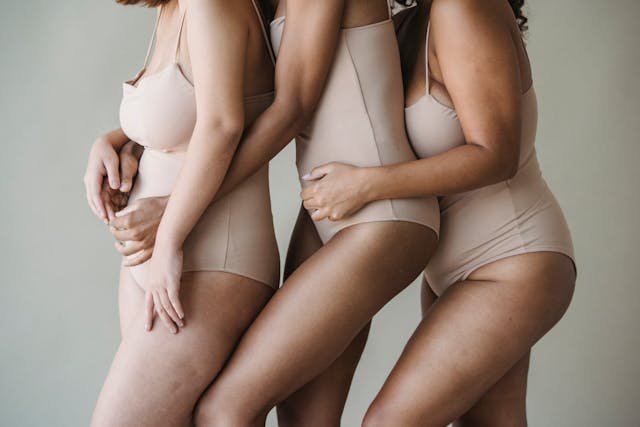
Scrolling through social media should feel enjoyable. However, trends like #SkinnyTok sometimes disguise dangerous eating habits as wellness advice, leaving many with unhealthy relationships with food and their bodies. These viral moments can distort what health truly means. Learn how social media influences body image and explore tips for creating healthier digital habits.
What Is The #SkinnyTok Trend?
The #SkinnyTok trend is a viral TikTok community centered around promoting extreme weight loss and maintaining an ultra-thin physique. It rebranded dangerous, low-calorie eating habits as “wellness” or “discipline” through videos promoting dieting, exercise and appearance. Young people consumed this content repeatedly, often without realizing the psychological damage it caused.
The Mental Health Impacts Of Trends Like #SkinnyTok
Consuming SkinnyTok content does real damage. It can trigger disordered eating, compulsive exercise habits and unhealthy comparisons. The content glamorizes restriction and frames dangerous behaviors as admirable self-control.
TikTok’s powerful algorithm played a major role in amplifying this harm. Once you engaged with one video, the platform served similar content constantly, creating an echo chamber. Social media can negatively impact your self-image, particularly when you encounter idealized body representations.
In addition, the harmful pattern can start young – around 64% of parents said their child feels self-conscious about their appearance. These unattainable standards become normalized through repeated exposure, making unhealthy comparisons feel routine.
In general, people who frequently use appearance-focused platforms experience lower self-esteem and face higher risks of anxiety and depression. Social comparison behavior makes these effects worse, creating a cycle that’s difficult to break. Your worth becomes tied to how your body looks rather than what it can do or who you are.
5 Tips To Embrace A Healthier Body Image
These actionable strategies can help you reclaim your digital space and build a healthier body image.
Embrace Body Acceptance as a Healthier Alternative
Body acceptance offers a more achievable path or step forward for people who feel pressured by the concept of body positivity. This is an important habit to adopt, especially with more than a third of adults struggling with body image concerns.
Shifting your mindset to acceptance is the first step toward healing your relationship with your body and social media. You don’t need to love every part of your body every day. You simply need to treat it with basic respect and care.
Actively Curate Your Social Media Feed
Unfollow accounts that trigger comparison or make you feel inadequate. Follow diverse creators who represent different body types, abilities and lifestyles. Use the “mute” or “not interested” functions liberally to train your algorithm.
As your interests and emotional needs evolve, you should review who you follow periodically and adjust accordingly. Focus on content celebrating what bodies can do rather than how they look.
Diversify the Types of Content You Consume
Seek out content based on hobbies, skills and interests beyond appearance. Balance your feed with entertainment, education and inspiration that isn’t tied to body image or wellness culture. Follow accounts about cooking, art, nature, books or anything that brings you joy without triggering self-criticism. This variety helps break the cycle of appearance-focused scrolling.
Practice Mindful Engagement and Disengagement
Set time limits for social apps and take regular breaks. Ask yourself, “How does this make me feel?” while scrolling. Pay attention if your chest tightens, your mood drops or your inner critic gets louder. Mute the account, unfollow or simply put your phone down. Your emotional response provides valuable data about what content serves you and what doesn’t.
Reframe Your Negative Thoughts
Redirect your thoughts from what your body looks like to what it can do, from allowing you to engage in your hobbies to enabling you to breathe deeply. Body neutrality or acceptance offers a middle ground if “I love my body” feels untrue. Simply acknowledge your body without adding judgment. This neutral stance can feel more honest and achievable.
Seek Out Supportive Communities
Find online or offline groups that focus on shared values and genuine wellbeing rather than appearance. Connect with people who prioritize mental health, personal growth or meaningful hobbies.
If body image concerns cause you significant distress, consider speaking with a therapist or counselor who specializes in body image issues. Professional support can provide personalized strategies and help you process deeper concerns.
Build A Healthier Relationship With Social Media
The #SkinnyTok trend causes real harm, but you have the power to control your digital environment. Curate your feed intentionally, diversify your content and practice mindful engagement.
Use social media as a tool for connection and inspiration rather than comparison and self-criticism. Your relationship with your body and your screen can improve when you make deliberate choices about what you consume and how you respond to it.